


The kitchen is supposed to be one of the safest, most comfortable places in your home. It’s where groceries are unpacked, meals are prepared, kids grab snacks, pets are fed, and families gather at the end of a long day. So when pests show up near the pantry, sink, trash can, or countertops, it feels personal. No one wants to wonder whether the food in their own kitchen is still safe.
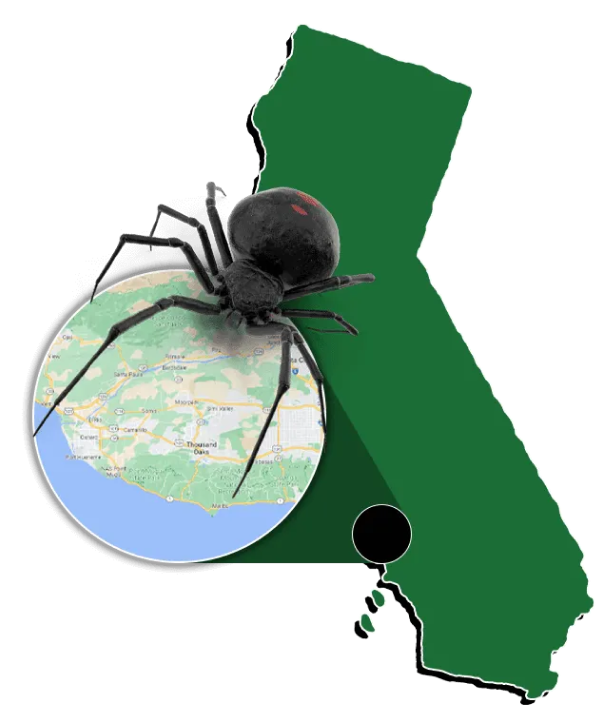
Insight Pest Management helps Ventura County homeowners protect their kitchens from pests that can contaminate food, spread bacteria, and create unhealthy conditions indoors. Led by Associate Certified Entomologist Israel Alvarez, Insight Pest Management provides science-based pest control solutions for homes in Newbury Park, Thousand Oaks, Camarillo, Simi Valley, Moorpark, Oxnard, and surrounding Southern California communities.
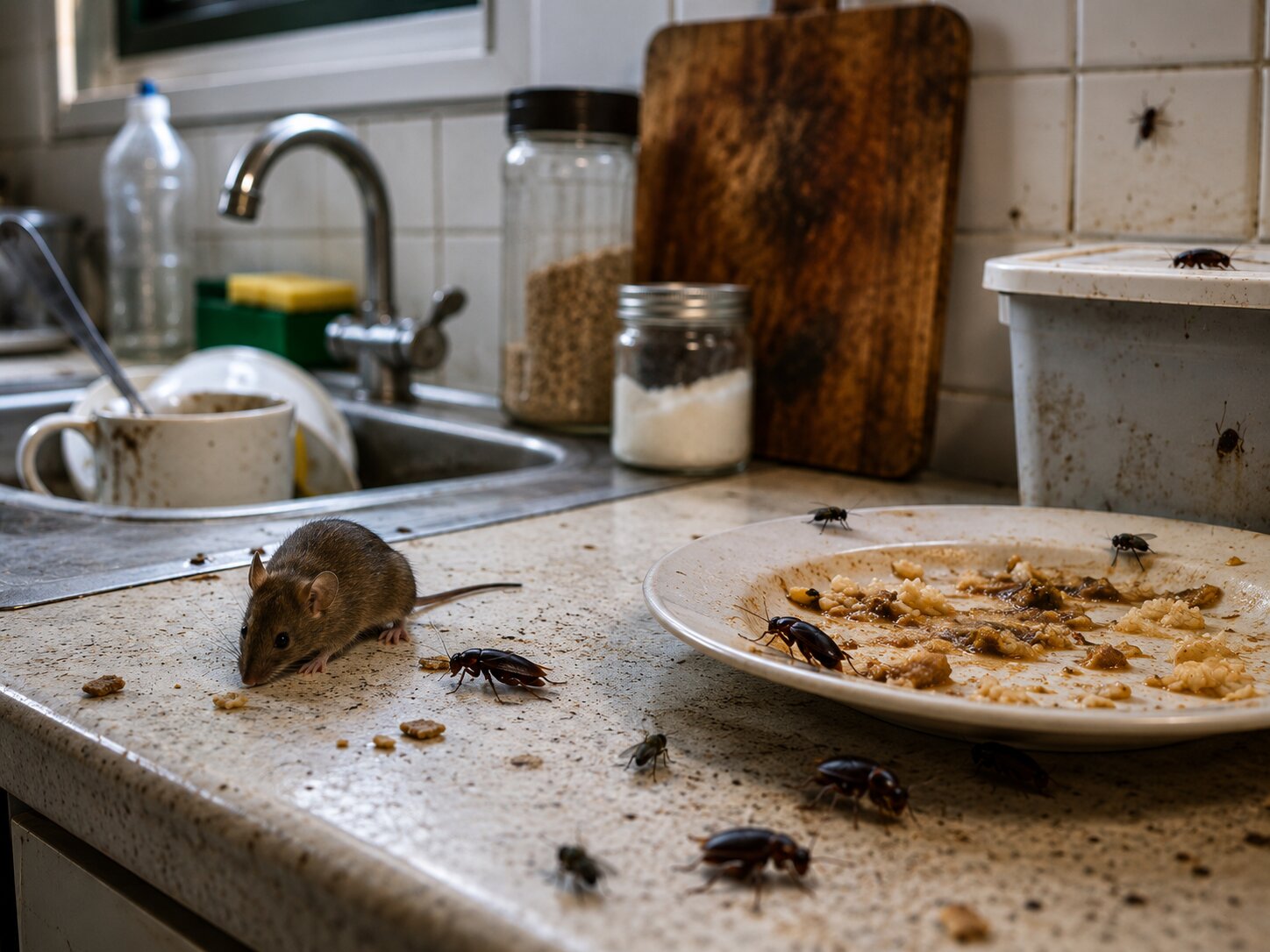
Pests don’t need much to turn a kitchen into a hotspot. A few crumbs under the toaster, moisture beneath the sink, a loose pantry bag, or an overflowing trash bin can attract ants, cockroaches, rodents, flies, and stored-product pests. Once they find food or water, they often leave behind droppings, shed skins, saliva, urine, bacteria, and other contaminants.
The good news is that homeowners can reduce risks with the right cleaning habits, storage practices, exclusion steps, and professional pest support. Understanding how pests spread diseases in kitchens is the first step toward keeping your home healthier.
Why Are Kitchens So Attractive to Pests?
Kitchens bring together everything pests need to survive: food, water, warmth, and shelter. Even a clean kitchen can have hidden attractants. Crumbs can collect under appliances. Grease can build up near stovetops. Water can drip slowly under the sink. Pantry items may be stored in packaging that pests can chew through or slip inside.
In Ventura County, mild weather keeps many pests active throughout the year. Ants may trail indoors during dry spells, cockroaches may hide near warm appliances, rodents may enter garages and kitchens looking for food, and flies may gather near trash or drains. Southern California’s climate gives pests more time to reproduce and more opportunities to move from outdoors to indoors.
Common kitchen attractants include:
- Crumbs under counters, tables, and appliances
- Open cereal, rice, flour, sugar, or snack bags
- Pet food left out overnight
- Dirty dishes in the sink
- Grease around stovetops and ovens
- Sticky residue in trash cans
- Leaky pipes or damp cabinets
- Fruit left out too long
- Food residue in drains
- Recycling bins with unrinsed cans or bottles
- Gaps around doors, windows, and utility lines
Sometimes the issue starts outside. Pests may gather near trash bins, compost piles, fruit trees, outdoor kitchens, patios, or irrigated landscaping. From there, they find small openings around the home and make their way toward the kitchen.
What Pests Commonly Contaminate Kitchen Areas?
Several household pests can create food safety concerns. Some are obvious, like cockroaches running across a counter. Others are quieter, like rodents chewing behind cabinets or pantry moths hiding in dry goods.
The most common kitchen pests include:
- Cockroaches
- Ants
- Rodents
- House flies
- Drain flies
- Pantry moths
- Beetles and weevils
- Spiders drawn by other insects
- Occasional invaders entering from outdoors
Cockroaches are especially concerning because they often travel through drains, garbage areas, and hidden spaces before crossing food surfaces. Rodents can contaminate cabinets, shelves, drawers, and stored food with droppings and urine. Ants may not seem as alarming at first, but they can move across dirty surfaces and into food containers. Flies can land on garbage, pet waste, drains, and then food prep areas.
Stored-product pests, like pantry moths and grain beetles, may arrive in dry goods or enter poorly sealed containers. Homeowners often discover them after opening a bag of flour, rice, cereal, or pet food and seeing webbing, larvae, or small insects.
Owner and operator Israel Alvarez brings nearly 20 years of professional pest management experience to every inspection and treatment. That experience helps the Insight team identify not only which pests are present, but also where they’re coming from and what conditions are allowing them to thrive.
How Do Pests Spread Germs in Kitchens?
Pests spread germs in several ways. They don’t need to bite or sting to create a problem. In many cases, they contaminate surfaces simply by walking, feeding, nesting, or leaving waste behind.
Pests can spread contaminants through:
- Droppings
- Urine
- Saliva
- Shed skins
- Egg cases
- Body parts
- Grease marks
- Hair or fur
- Contact with dirty surfaces
- Movement between trash, drains, and food areas
Cockroaches may crawl through garbage, floor drains, sewer areas, and decaying organic matter, then move across countertops, cutting boards, cabinet shelves, or food packaging. Rodents may chew into pantry items and leave droppings near utensils, dishes, or dry goods. Flies may land on unsanitary materials and then transfer bacteria to fruit, plates, or uncovered food.
This is why seeing pests in a kitchen should never be brushed off as just an annoyance. Even if the pest population seems small, contamination can happen quickly. One rodent in a pantry can create a mess overnight. A few cockroaches behind the refrigerator may be active on counters when the lights are off. A line of ants near a sugar spill can spread into multiple cabinets by morning.
Can Cockroaches Make Kitchens Unsafe?
Cockroaches are one of the most serious kitchen pests because they hide well, reproduce quickly, and move across unsanitary areas. They are often found behind refrigerators, under sinks, inside cabinet cracks, around dishwashers, and near trash cans.
Signs of cockroach activity may include:
- Live roaches, especially at night
- Dead roaches near walls or appliances
- Dark droppings that look like pepper or coffee grounds
- Egg cases
- Shed skins
- Musty odors
- Smear marks in damp areas
German cockroaches are especially troublesome indoors. They thrive near food and moisture, making kitchens one of their favorite places. If you see small roaches in the kitchen during the day, it may indicate a larger infestation hidden nearby.
Cockroaches can contaminate food prep surfaces and stored foods. Their droppings and shed skins may also aggravate allergies or asthma in sensitive individuals. This is especially concerning in homes with children, older adults, or family members with respiratory issues.
A quick spray may kill the roach you see, but it won’t necessarily solve the infestation. Roaches may be hiding in wall voids, appliance motors, cabinet seams, or plumbing gaps. Professional inspection helps determine where the activity is coming from and how to treat it properly.
How Do Rodents Affect Food Safety?
Rodents are another major food safety concern. Mice and rats can squeeze through surprisingly small openings and may enter homes through garages, crawl spaces, rooflines, vents, utility penetrations, or gaps near doors. Once inside, kitchens and pantries offer easy access to food and shelter.
Rodents can chew through:
- Cereal boxes
- Bags of rice or flour
- Pet food packaging
- Snack bags
- Plastic containers
- Cardboard storage
- Wiring and insulation
- Cabinet materials
The biggest concern is contamination. Rodents leave droppings and urine as they move, and they may travel across shelves, drawers, food packaging, dishes, and cooking tools. If you find chewed food packaging, small droppings, or scratching sounds near kitchen walls, it’s time to act quickly.
Rodents are also persistent. Removing one mouse or rat is not enough if entry points remain open. A professional rodent plan should include inspection, removal, exclusion, sanitation guidance, and prevention.
Insight Pest Management offers rodent exclusion and removal services designed to help homeowners address the source of the problem, not just the visible signs. In Ventura County homes, that often means identifying how rodents are getting inside and sealing vulnerable access points.
Are Ants a Food Safety Problem?
Ants may seem less threatening than cockroaches or rodents, but they can still contaminate food and surfaces. In Southern California, Argentine ants and pavement ants are common around homes. They often trail into kitchens looking for sugar, grease, water, or pet food.
Ants may crawl across:
- Floors
- Trash bins
- Outdoor patios
- Soil
- Pet bowls
- Countertops
- Pantry shelves
- Food containers
Once ants find a reliable food source, they leave pheromone trails that guide more ants to the same area. That’s why one small trail near the sink can become a much larger problem within hours.
Homeowners often wipe up the visible ants, only to see them return the next day. That usually means the colony is still active and the entry point has not been addressed. For recurring ant activity, professional pest control can help identify the species, locate trails, and apply the right treatment strategy.
What About Flies and Pantry Pests?
Flies can be a serious concern in kitchens because they move between unsanitary and food-contact surfaces. House flies may land on trash, drains, pet waste, and outdoor organic matter before landing on food or counters. Fruit flies may gather around ripe produce, sticky spills, drains, or recycling containers. Drain flies may indicate buildup in drains or moisture issues.
Pantry pests are different because they infest stored foods. You may notice small moths flying near the pantry, webbing inside food packages, or tiny beetles in grains. These pests often spread when infested food remains in the pantry or when dry goods are not stored in sealed containers.
To reduce fly and pantry pest risks:
- Keep produce fresh and discard overripe fruit
- Clean drains and garbage disposals regularly
- Rinse recycling containers
- Keep trash sealed
- Store grains, cereal, flour, and pet food in airtight containers
- Check older pantry items for webbing or insect activity
- Vacuum pantry shelves and cracks
- Discard infested food immediately
If pests continue after cleaning, there may be a hidden breeding site or source that needs professional attention.
How Can Homeowners Keep Food Safer?
Food safety starts with prevention. Most pest problems become worse when pests can easily access food, water, and shelter. Simple daily habits can make your kitchen less inviting.
Use this kitchen pest prevention checklist:
- Wipe counters after cooking and eating
- Sweep or vacuum crumbs daily
- Clean under the toaster, microwave, and small appliances
- Move large appliances occasionally to clean behind them
- Keep dry goods in sealed containers
- Store pet food in bins with tight lids
- Pick up pet bowls at night
- Take trash out regularly
- Rinse cans, bottles, and food containers before recycling
- Fix leaks under sinks and near dishwashers
- Keep cabinet interiors dry
- Avoid leaving dishes in the sink overnight
- Check produce bowls often
- Seal gaps around pipes, windows, and doors
- Inspect grocery bags, boxes, and bulk food items before storage
It’s also smart to clean areas people often forget. Roaches and ants can survive on grease behind the stove, crumbs under the fridge, and sticky residue near trash cans. Rodents are drawn to stored pet food, birdseed, and bulk pantry goods. Flies can breed in organic buildup inside drains.
A clean kitchen doesn’t guarantee pests will never show up, but it makes it much harder for them to stay.
When Should You Call a Professional Pest Control Company?
Some pest sightings can be handled with cleaning and prevention. But if pests keep coming back, appear in multiple areas, or leave signs of contamination, it’s time for professional help.
Call Insight Pest Management if you notice:
- Cockroaches in the kitchen or bathroom
- Rodent droppings near food or cabinets
- Chewed pantry packaging
- Ant trails that return after cleaning
- Flies that won’t go away
- Pantry pests inside dry goods
- Musty odors or smear marks
- Scratching sounds near walls or cabinets
- Pest activity in a restaurant, office kitchen, or commercial space
Commercial kitchens and food-related businesses should be especially proactive. Pest activity can damage customer trust, create sanitation issues, and affect operations. Insight Pest Management provides commercial pest management plans that help businesses reduce pest pressure and maintain cleaner, safer spaces.
Led by Associate Certified Entomologist Israel Alvarez, Insight Pest Management provides science-based pest solutions tailored to California homes and businesses. Israel has held his Associate Certified Entomologist credential since 2013, earned his California Pest Control Operators License in 2014, and serves as Vice Chair of the Pest Control Operators of California–Ventura District. His leadership helps the Insight team stay focused on safe, effective, prevention-based pest management.
What Happens During a Kitchen Pest Inspection?
A professional kitchen pest inspection looks at visible activity and hidden conditions. The Insight team may inspect the kitchen, pantry, bathrooms, garage, exterior foundation, trash areas, and nearby landscaping. The goal is to understand what pests are present, how they’re getting in, and what’s attracting them.
An inspection may include checking:
- Under sinks
- Behind appliances
- Pantry shelves
- Trash and recycling areas
- Cabinet cracks and corners
- Baseboards and wall gaps
- Plumbing penetrations
- Dishwasher and refrigerator areas
- Garage food storage
- Exterior door seals
- Foundation openings
- Outdoor trash bins and patio areas
After the inspection, the Insight team can recommend a treatment and prevention plan based on the pest species and property conditions. That may include targeted treatments, baiting, exclusion recommendations, sanitation steps, or follow-up visits when needed.
Protect Your Kitchen With Insight Pest Management
Your kitchen should feel clean, comfortable, and safe. If pests are showing up near food, water, trash, or storage areas, don’t wait for the problem to grow. Cockroaches, rodents, ants, flies, and pantry pests can contaminate surfaces quickly and make food safety feel uncertain.
Insight Pest Management helps homeowners throughout Ventura County protect their kitchens with detailed inspections, science-based treatments, and practical prevention guidance. Founded and operated by Israel Alvarez, Insight Pest Management has become a trusted local choice for homeowners who want knowledgeable service, honest communication, and effective pest control solutions.
Call Insight Pest Management today for expert pest control solutions in Newbury Park, Thousand Oaks, Camarillo, Simi Valley, Moorpark, Oxnard, and surrounding Southern California communities. Schedule your inspection with certified entomologist Israel Alvarez and the Insight team, and protect your home with proven, science-backed pest control plans.