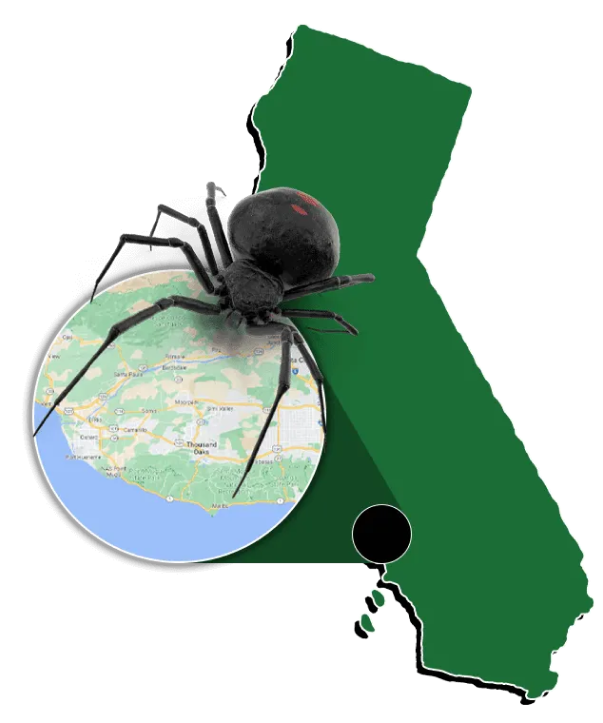



Insight Pest Management is proud to serve Chatsworth homeowners with science-based ant control that follows the trail back to the source. You clean the counter, the ants disappear, and a few days later they’re back in the same spot. That pattern usually means the colony is somewhere else, most often outdoors, and the ants inside are just the scouts.
Led by Associate Certified Entomologist Israel Alvarez, Insight brings nearly 20 years of hands-on experience to every ant inspection. This page focuses on how ants move between outdoor nesting areas and Chatsworth homes. For an overview of everything we offer here, visit our Chatsworth pest control hub. For our broader service across the region, see our Ventura County ant control service.
Why Do Ants Move Into Chatsworth Homes?
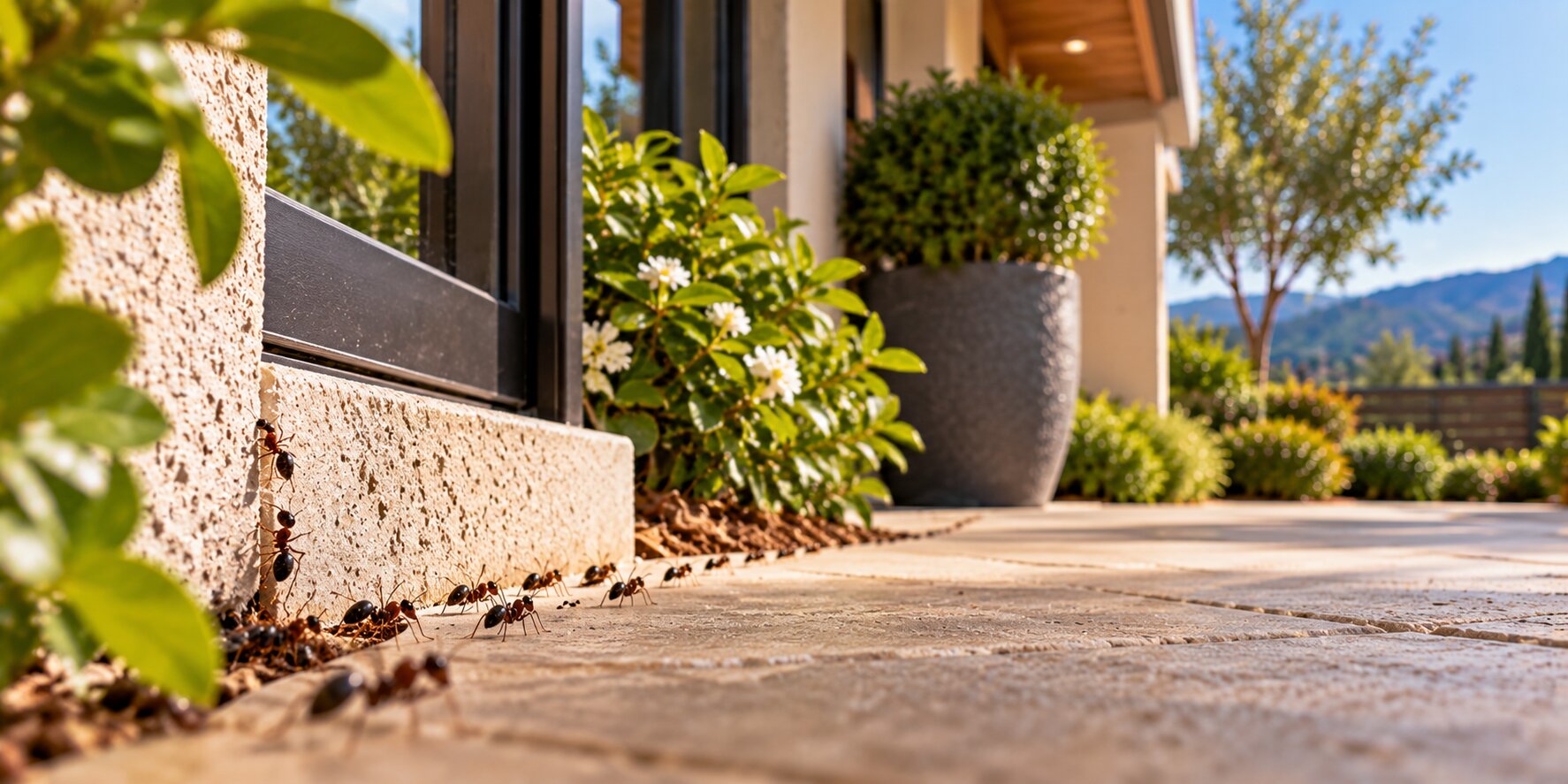
Most ants that end up in your kitchen started outside. Colonies nest in soil, under pavers, beneath mulch, and along foundations, then send foragers out in search of food and water. When they find a reliable source indoors, trails form quickly and recruit more ants.
Chatsworth’s warm, dry climate adds a twist. When the ground outside dries out and natural food runs low, ants often shift toward places with dependable moisture, including kitchens, bathrooms, and irrigated beds near the house. Your home can look like the best deal in the neighborhood.
Several species are common in Southern California, including Argentine ants and others that behave a bit differently. Identifying the species matters because it affects how we treat the colony. Every property is different, so we look at yours before deciding on a plan.
What Property Conditions Encourage Ant Activity?
Ants are opportunists. A few features around a home can make it much easier for them to settle in and travel indoors.
- Landscaping: Mulch, ground cover, dense shrubs, and ivy provide sheltered nesting areas. Plants that touch the house act as bridges to the walls and roofline.
- Irrigation: Sprinklers, drip lines, and planter beds near the foundation keep soil damp, which helps colonies thrive in dry weather.
- Moisture sources: Leaky hose bibs, air conditioner condensate, dripping pipes, and pet water bowls all draw ants.
- Cracks and gaps: Small openings around doors, windows, utility lines, and foundations give trails a way inside.
- Outdoor food sources: Pet food, fallen fruit, trash bins, and sticky spills on patios keep foragers coming back.
- Honeydew-producing insects: Aphids and similar insects on plants provide sweet residue that ants harvest and protect.
Where Do Ants Show Up Inside the Home?
Once a trail finds a way in, ants head for food and water. We most often see activity in:
- Kitchens: Counters, pantries, pet dishes, and areas near the sink or dishwasher
- Bathrooms: Around sinks, tubs, and toilets, where moisture attracts them
- Window and door frames: Entry points where trails slip through small gaps
- Walls and baseboards: Hidden routes that explain why ants seem to appear from nowhere
Picture a homeowner who finds a line of ants along the bathroom counter during a stretch of hot, dry weather. They wipe it away, and it returns the next morning. An inspection might show the trail starting at an irrigated planter against the exterior wall, running along a foundation crack, and entering near the bathroom window. The ants inside were only one end of a much longer story.
How Does Ant Activity Change in Hot or Dry Conditions?
- Heat waves and dry spells: Ants often seek water indoors or near irrigation when outdoor moisture disappears.
- Sudden rain or heavy watering: Wet soil can push colonies out of their nests and send them looking for drier shelter, including your home.
- Warm seasons: Higher temperatures support faster colony growth and busier foraging.
- Mild winters: Southern California rarely gets cold enough to shut ants down entirely, so activity can continue year-round.
Why Doesn’t Wiping Away Visible Ants Fix the Problem?
The ants you see are only a small portion of the colony. The nest and the queens stay hidden, and the colony sends out more workers to replace the ones you remove. Over-the-counter sprays can kill the foragers on contact, but they rarely reach the source. Some repellents can also cause certain colonies to split into several smaller ones, which can spread the problem instead of ending it.
Lasting control means finding where ants are nesting, interrupting their trails, and changing the conditions that attracted them.
How Does Insight Handle Ant Inspection, Treatment, and Prevention?
Insight Pest Management follows a clear, prevention-first process built around finding the source.
- Listen first. You tell us where you’ve seen ants, when, and what you’ve already tried.
- Locate activity and trails. We follow ants from the kitchen or bathroom back through walls, gaps, and foundations to the exterior.
- Identify the species. Different ants nest and forage differently, so we confirm what we’re dealing with before choosing a method.
- Treat the colony. We use targeted, eco-friendly treatments placed where ants actually travel and nest, aimed at reaching the colony rather than the foragers alone.
- Treat the exterior where appropriate. When outdoor nesting areas and entry routes are driving the problem, we treat them as well.
- Prevent a repeat. We recommend practical steps, like sealing cracks, trimming vegetation off the house, fixing leaks, and adjusting irrigation.
Israel Alvarez has been an Associate Certified Entomologist since 2013 and holds a California Pest Control Operators License (2014). As Vice Chair of the Pest Control Operators of California, Ventura District, he keeps our team current on safe, effective practices.
Schedule your inspection with certified entomologist Israel Alvarez and the Insight team.
Frequently Asked Questions About Ant Control in Chatsworth
When conditions outside dry out, ants often look for reliable water and food. Kitchens, bathrooms, and irrigated areas near the house can become attractive.
In most cases the colony is outdoors, and the trail leads in through a crack or gap. An inspection follows the trail to the source so treatment targets the right place.
It may remove the ants you see, but it usually doesn’t reach the colony. Some repellents can also scatter certain colonies, making the problem more widespread.
Often, yes. Because many colonies nest outdoors, exterior treatment can be a key part of the solution. We’ll recommend what fits your property after the inspection.
They can. Damp soil, mulch, and plants touching the house give ants nesting spots and travel routes. We’ll suggest practical adjustments without asking you to give up your landscaping.
We use an eco-friendly, prevention-first approach and targeted methods wherever possible. We’ll explain what’s being applied and any precautions that apply.
Wipe up spills, store food in sealed containers, fix leaks, trim vegetation away from the house, and seal visible gaps. Seasonal check-ins help catch changes early.
Ready to Stop Ants at Your Chatsworth Home?
You shouldn’t have to wipe down the same trail every morning. Founded and operated by Israel Alvarez, Insight Pest Management has become a trusted name in Southern California pest control, and we’re ready to find where your ants are really coming from.
Call Insight Pest Management in Chatsworth today at (805) 628-2881 for expert ant control solutions.