


Seeing one mouse in your home can be enough to make you wonder how many others may be hiding nearby. Mice are small, quiet, and capable of moving through tight spaces, so homeowners may only notice a fraction of the activity taking place inside walls, attics, garages, or storage areas.
Professional mouse extermination is designed to address more than the individual rodent you happen to see.
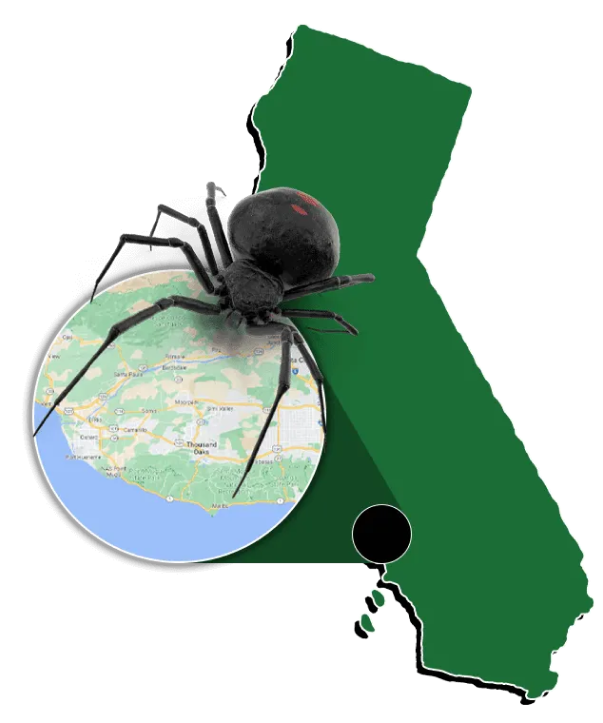
Insight Pest Management helps homeowners throughout Ventura County identify where mice are active, how they are entering the property, and what conditions are helping them survive. Led by Associate Certified Entomologist Israel Alvarez, Insight Pest Management takes a science-based, prevention-focused approach to rodent control.
A professional mouse extermination service may include inspection, trapping, monitoring, entry-point identification, exclusion recommendations, sanitation guidance, and follow-up visits.
The exact treatment depends on the property and the extent of the infestation.
What Happens During the Initial Mouse Inspection?
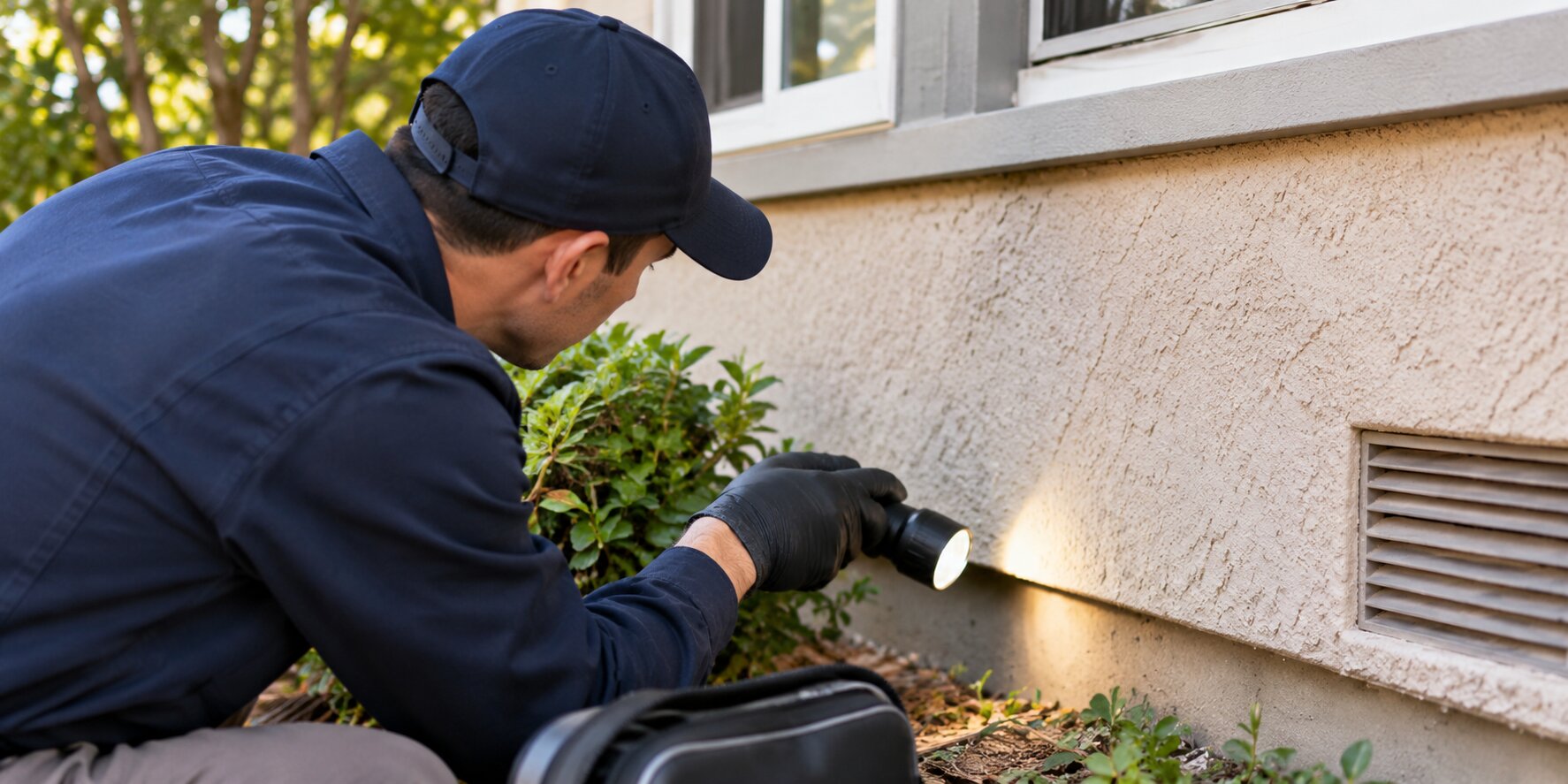
A professional mouse service usually begins with an inspection.
The goal is to determine whether mice are present and identify where they are most active.
The technician may look for signs such as:
- Mouse droppings
- Gnaw marks
- Nesting materials
- Damaged food packaging
- Grease marks
- Tracks
- Scratching sounds
- Disturbed insulation
- Small entry openings
Homeowners may also be asked where they have noticed activity.
For example, scratching in the ceiling may point toward attic or wall activity, while droppings beneath the kitchen sink may suggest mice are traveling near plumbing penetrations.
The more information the technician can gather, the easier it is to build a targeted treatment plan.
Which Areas of the Home Are Inspected?
Mice often remain close to food, water, warmth, and protected nesting areas.
A professional may inspect:
- Kitchens
- Pantries
- Garages
- Attics
- Crawl spaces
- Laundry rooms
- Utility spaces
- Storage rooms
- Under sinks
- Behind appliances
- Around baseboards
- Exterior walls
- Rooflines
- Garage doors
The inspection should also include likely exterior access points.
Professional mouse control is more effective when the technician understands both where the mice are living and how they are getting inside.
Why Is Finding Mouse Entry Points Important?
Removing mice without fixing the openings they use can leave the property vulnerable to another infestation.
Mice can take advantage of very small gaps around a home.
Possible entry points include:
- Plumbing penetrations
- Utility lines
- Door gaps
- Garage door seals
- Damaged vents
- Exterior wall openings
- Roofline gaps
- Crawl space access points
- Construction gaps
Professionals inspect these areas for openings as well as signs that mice may actually be using them.
That may include gnawing, droppings, rub marks, or disturbed materials.
Long-term mouse control depends heavily on reducing opportunities for new rodents to enter.
Does Professional Mouse Extermination Include Traps?
Trapping is a common part of professional mouse control.
However, effective trapping involves more than placing a few traps randomly around the home.
Mice often travel close to:
- Walls
- Cabinet edges
- Structural beams
- Appliances
- Stored materials
- Utility lines
Professionals use evidence from the inspection to determine where mice are likely to move.
Traps may be positioned along those travel routes.
Placement can make a significant difference because mice may simply avoid traps placed far from their normal pathways.
Why Are Mouse Traps Placed Near Walls?
Mice typically prefer protected travel routes.
They often move along walls or edges rather than crossing large, exposed areas.
This behavior allows professionals to position traps strategically.
A technician may look for:
- Concentrated droppings
- Gnaw marks
- Tracks
- Food damage
- Grease marks
- Nesting material
The pattern of evidence can reveal likely mouse runways.
Trap placement can then be adjusted based on actual rodent activity.
Are Different Types of Traps Used?
Treatment methods depend on the property and infestation.
Professionals may select different trap designs based on factors such as:
- Location
- Number of mice
- Presence of children or pets
- Accessibility
- Type of room
- Mouse behavior
The important factor is not simply the trap itself.
Placement, monitoring, and follow-up all contribute to the effectiveness of the control plan.
Does Mouse Extermination Include Bait?
Rodent bait may be part of some professional mouse control programs.
Whether it is appropriate depends on the specific situation.
Professionals should consider:
- Where mice are living
- Whether carcasses could become inaccessible
- Presence of pets
- Presence of children
- Property layout
- Exterior rodent activity
When mice are active inside walls or ceilings, professionals may consider the potential consequences of rodents dying in inaccessible areas.
This is why treatment should be based on a property-specific assessment rather than a one-size-fits-all approach.
What Is Mouse Exclusion?
Mouse exclusion involves correcting structural openings that rodents can use to enter a building.
It is one of the most important parts of long-term mouse prevention.
Potential exclusion areas may include:
- Gaps around pipes
- Utility penetrations
- Exterior holes
- Damaged vents
- Door gaps
- Garage door openings
- Roofline vulnerabilities
- Crawl space openings
The purpose is to make the structure more difficult for mice to access after the existing population has been removed.
Without exclusion, new mice may simply take advantage of the same openings.
Are Entry Points Sealed During the First Visit?
Not always.
The timing of exclusion should be coordinated with rodent removal.
If mice are still inside the structure, sealing every opening too early could trap rodents indoors.
Professionals may first determine:
- Which openings are active
- Whether mice remain inside
- How rodents are moving
- Where traps should be placed
- When exclusion work should be completed
This sequence helps avoid turning an entry problem into a trapped-rodent problem.
Will a Professional Inspect the Attic?
If there is evidence of attic activity, yes.
Attics provide mice with shelter and nesting material while also connecting to wall voids and ceiling spaces.
During an attic inspection, a technician may look for:
- Droppings
- Nesting materials
- Disturbed insulation
- Gnaw marks
- Tracks
- Runways
- Entry points
- Damaged stored items
The technician may also inspect roofline areas from the exterior to determine how mice could be entering the attic.
What About Mice Inside Walls?
Mice frequently travel through wall voids.
You may hear scratching without ever seeing a rodent in the room.
Professionals typically try to intercept mice along accessible travel routes rather than unnecessarily opening walls.
Treatment areas may include:
- Attics
- Under sinks
- Cabinets
- Garages
- Utility spaces
- Areas near wall openings
The goal is to place control devices where mice naturally emerge or move.
If structural work becomes necessary, the situation can be evaluated based on the specific property.
Does Mouse Extermination Include Cleanup?
The amount of cleanup included depends on the service.
Mouse infestations can leave behind:
- Droppings
- Urine
- Nesting material
- Contaminated insulation
- Damaged stored products
Professional pest control may identify affected areas and recommend appropriate next steps.
Large amounts of rodent contamination may require specialized cleanup or restoration beyond standard extermination.
Homeowners should avoid casually disturbing significant accumulations of droppings or nesting material without following appropriate cleanup guidance.
Will the Technician Look for Food Sources?
Yes.
Mice remain where food is accessible.
Common sources include:
- Open pantry food
- Crumbs
- Pet food
- Bird seed
- Garbage
- Stored snacks
- Food in garages
- Poorly sealed containers
The technician may recommend removing or securing these items.
Reducing food availability supports trapping and other control efforts.
It also makes the home less attractive to future rodents.
Why Is Pet Food Often a Problem?
Pet food can provide mice with an easy and dependable source of calories.
Bags stored in garages or laundry rooms can sometimes be gnawed open.
Food left in bowls overnight may also attract rodents.
Homeowners may be advised to:
- Store pet food in secure containers
- Clean spilled kibble
- Avoid leaving food out overnight when possible
- Inspect storage areas for gnaw damage
Small changes can make the environment less supportive of rodent activity.
Does Water Attract Mice Too?
Yes.
Mice need water, although they can sometimes obtain moisture from food.
Potential water sources may include:
- Leaking pipes
- Dripping faucets
- Pet water bowls
- Condensation
- Outdoor water
- Plumbing leaks
Correcting unnecessary moisture can support the overall control strategy.
Professional pest management considers food, water, shelter, and entry points together.
Will the Technician Check the Garage?
Garages are common areas for mouse activity.
They may contain:
- Pet food
- Bird seed
- Cardboard
- Stored snacks
- Clutter
- Open door gaps
- Utility penetrations
A mouse may enter through the garage and then move into walls or other parts of the home.
Professional service may therefore include checking:
- Garage door seals
- Side doors
- Wall gaps
- Storage areas
- Food sources
- Interior connections to the home
Reducing garage access can make a significant difference in preventing future infestations.
Does Landscaping Affect Mouse Problems?
It can.
Dense vegetation, stored materials, and clutter near the home may provide shelter for rodents.
Professionals may evaluate conditions such as:
- Shrubs touching the house
- Vines
- Wood piles
- Dense groundcover
- Stored equipment
- Exterior clutter
These conditions do not automatically cause an infestation, but they may make the area around the structure more attractive to rodents.
Reducing shelter around the exterior can support prevention.
Why Is Monitoring Part of Professional Mouse Control?
Monitoring helps determine whether the infestation is actually decreasing.
A homeowner may stop seeing mice without knowing whether hidden activity remains.
Professionals can evaluate:
- Trap activity
- New droppings
- Fresh gnawing
- New scratching sounds
- Changes in travel patterns
This information helps show whether treatment is working.
Monitoring also makes it easier to identify areas that need additional attention.
Why Are Follow-Up Visits Important?
Mouse infestations often require more than a single visit.
Follow-up allows the technician to:
- Check traps
- Remove captured mice
- Reset control devices
- Move traps if needed
- Inspect for fresh evidence
- Recheck entry points
- Evaluate exclusion work
If activity remains concentrated in one part of the home, the treatment strategy can be adjusted.
Professional rodent control is a process rather than a single action.
How Long Does Professional Mouse Extermination Take?
There is no universal timeline.
The length of treatment depends on:
- Number of mice
- Property size
- Number of entry points
- Nesting locations
- Food availability
- Accessibility
- Exterior rodent pressure
- Effectiveness of exclusion
A small problem caught early may require less time than an infestation involving multiple wall voids, attic spaces, and entry points.
Follow-up monitoring helps confirm when activity has ended.
How Can You Tell When the Mouse Problem Is Gone?
Homeowners should look for multiple signs rather than relying only on whether they have seen another mouse.
Improvement may include:
- No new droppings
- No scratching noises
- No new food damage
- No new gnaw marks
- No trap activity
- No disturbed insulation
The longer these signs remain absent, the stronger the indication that the infestation has been addressed.
A professional may also reinspect previously active areas.
Can Mice Come Back After Extermination?
Yes.
Professional treatment can eliminate an active infestation, but new mice may enter later if another access point develops.
Ongoing prevention matters.
Homeowners should continue checking:
- Garage door seals
- Exterior vents
- Door sweeps
- Utility openings
- Rooflines
- Exterior gaps
Maintaining exclusion work helps reduce the likelihood of recurrence.
What Can Homeowners Do to Help Prevent Mice?
Simple prevention habits can make a meaningful difference.
Consider:
- Store food in sealed containers
- Secure pet food
- Clean crumbs and spills
- Keep garbage closed
- Reduce clutter
- Check stored boxes
- Repair plumbing leaks
- Maintain garage door seals
- Inspect exterior openings
- Address rodent signs quickly
A few droppings may be the first warning that mice have found an entry point.
Responding early can make the infestation easier to address.
Why Is Professional Mouse Control Different From DIY Treatment?
DIY traps may catch individual mice.
Professional service looks at the entire infestation.
A complete strategy may consider:
- How mice entered
- Where they are nesting
- Where they travel
- What food is available
- What structural openings exist
- Whether additional mice remain hidden
- How future access can be reduced
Without addressing these factors, homeowners may repeatedly catch mice without solving the underlying problem.
Why Does Professional Experience Matter?
Mice can be difficult to control because they are small, cautious, and adaptable.
Successful rodent management requires understanding how they behave inside structures.
Insight Pest Management is founded and operated by Israel Alvarez, who brings nearly 20 years of professional pest management experience to the company.
Israel has been an Associate Certified Entomologist since 2013 and holds a California Pest Control Operators License. He also serves as Vice Chair of the Pest Control Operators of California–Ventura District.
That expertise supports Insight Pest Management’s prevention-first approach to rodent control.
Instead of simply responding to the mouse a homeowner happens to see, the Insight team examines the conditions that allowed the infestation to develop.
Why Is Mouse Control Important for Ventura County Homes?
Homes throughout Newbury Park, Thousand Oaks, Camarillo, Simi Valley, Moorpark, Oxnard, and surrounding Ventura County communities can provide rodents with numerous opportunities for shelter.
Garages, rooflines, attics, landscaping, utility penetrations, and storage areas can all become part of a mouse infestation.
Southern California’s mild climate can also allow rodent activity to remain a concern throughout much of the year.
Local knowledge helps pest professionals recognize common structural vulnerabilities and environmental conditions.
What Should a Professional Mouse Extermination Service Include?
Every infestation requires a customized approach, but a complete professional service may include:
- Interior inspection
- Exterior inspection
- Identification of mouse activity
- Trap placement
- Entry-point evaluation
- Exclusion recommendations
- Food-source evaluation
- Moisture assessment
- Attic or crawl space inspection
- Monitoring
- Follow-up visits
- Prevention guidance
The service should address both the immediate infestation and the reasons mice were able to establish themselves in the home.
Schedule Professional Mouse Control With Insight Pest Management
A professional mouse extermination service should do more than catch the mouse you saw running across the floor.
It should identify where mice are hiding, how they are entering, and what needs to change to reduce future activity.
Insight Pest Management provides science-based rodent control throughout Ventura County and nearby Southern California communities.
Led by Associate Certified Entomologist Israel Alvarez, the Insight team combines inspection, targeted control, monitoring, and prevention-focused recommendations to address mouse infestations thoroughly.
If you’re finding droppings, hearing scratching in the walls, or seeing other signs of mice, schedule an inspection with Insight Pest Management today. The team can help identify the source of the infestation and develop a practical plan for removing the mice and keeping them out.