




Professional rodent control commonly costs several hundred dollars, but the final price depends on whether you need simple trapping, multiple visits, structural exclusion, sanitation, repairs, or ongoing prevention. National 2026 cost data places typical rat extermination between approximately $189 and $655, with an average near $395. Extensive exclusion, cleanup, and property repairs can increase the total to $1,000 or more. Angi’s 2026 cost data
These figures are general planning ranges—not a quote for a particular Ventura County property. The only reliable way to determine your cost is through an inspection that identifies the rodent, level of activity, nesting areas, and entry points.
A low estimate that includes only a few traps isn’t equivalent to a comprehensive plan that removes active rodents and prevents them from returning. Understanding what’s included allows you to compare value rather than price alone.
Rodent Control Cost at a Glance
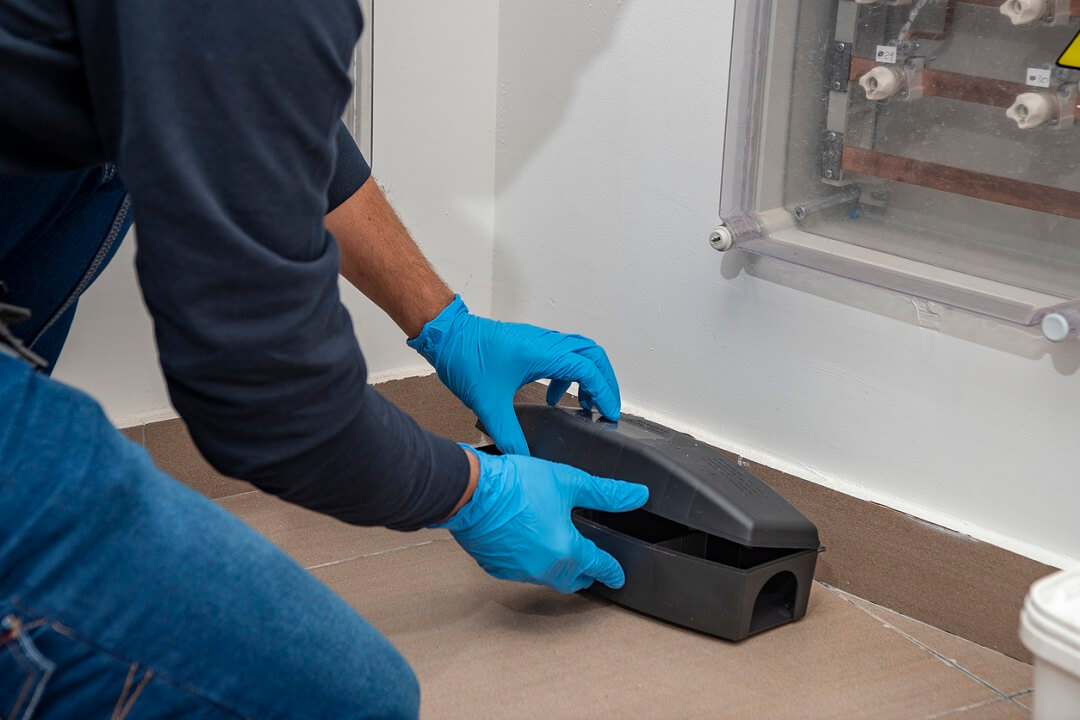
The following ranges can help homeowners form a preliminary budget.
| Type of service | General cost expectation |
| Inspection | Free to approximately $200, depending on provider and scope |
| Limited trapping or removal | Often a few hundred dollars |
| Typical professional rat control | Approximately $189–$655 nationally |
| Basic exclusion work | Often several hundred dollars |
| Extensive exclusion and removal | May exceed $1,000 |
| Contaminated insulation cleanup | Can add hundreds or thousands |
| Structural, electrical, or HVAC repairs | Priced separately based on damage |
| Ongoing prevention | Recurring monthly, bimonthly, or quarterly charge |
Every company structures its service differently. Some bundle inspection, traps, follow-up, and minor exclusion into one price. Others itemize each component.
Ask for a written estimate that explains exactly what is and isn’t included.
What Determines the Cost of Rodent Control?
Two homes with similar scratching noises may require very different solutions. One may have a single mouse entering beneath a garage door. The other may have roof rats nesting in an attic with several roofline entry points.
The following factors have the greatest effect on price.
1. Type of Rodent
Mice, roof rats, and Norway rats have different behaviors and nesting preferences.
Mice can use very small openings and may establish nests in cabinets, walls, garages, or storage areas. Roof rats are excellent climbers and frequently use trees, fences, utility lines, and upper structural openings. Norway rats are strong burrowers commonly associated with ground-level activity.
The species affects:
- Where technicians inspect
- Which traps or devices are selected
- How much equipment is needed
- Where entry points are likely to be
- How difficult removal will be
- What exclusion work is appropriate
Correct identification helps avoid paying for a method that doesn’t match the pest.
2. Size of the Infestation
A small, recently discovered problem generally costs less than an established infestation affecting multiple areas.
Signs of more extensive activity may include:
- Fresh droppings in several rooms
- Repeated daytime sightings
- Multiple nesting areas
- Heavy gnawing
- Long-term attic noise
- Strong odors
- Contaminated insulation
- Activity returning after trapping
- Numerous exterior burrows
A larger population requires more equipment, labor, monitoring, and follow-up. Waiting rarely makes treatment less expensive.
3. Size and Layout of the Property
A compact, single-story home is typically easier to inspect than a large property with multiple roof elevations, additions, crawl spaces, detached structures, or extensive landscaping.
Square footage matters, but accessibility may matter more. A smaller home with a tight crawl space and complex attic can require more labor than a larger, easily accessible building.
Commercial buildings and multi-unit properties also require a broader evaluation. Rodents may travel between units, utility spaces, loading areas, kitchens, storage rooms, and shared walls.
4. Location of the Rodents
Rodents in an accessible garage are generally easier to address than rodents inside a wall, attic, duct system, or inaccessible crawl space.
Difficult locations can increase the cost because they require:
- More inspection time
- Specialized access
- Additional monitoring
- More follow-up visits
- Coordination with repair professionals
- Work at height or in confined areas
Wall or ceiling activity may also be difficult to distinguish without evaluating droppings, access points, noises, and exterior travel routes.
5. Number of Entry Points
Trapping removes active rodents. Exclusion helps stop new ones from entering.
A home with one damaged door sweep may need a relatively simple correction. A property with gaps around the roof, vents, utility penetrations, crawl-space openings, and garage doors requires more extensive work.
Exclusion prices depend on:
- Number of openings
- Size of each opening
- Height and accessibility
- Material required
- Construction type
- Need for ladders or specialized equipment
- Whether repairs fall within pest-control scope
Durable exclusion may involve metal mesh, flashing, vent screening, mortar, door sweeps, or other materials chosen for the location.
6. Number of Visits
Rodent control often requires more than one appointment.
A typical process may include:
- Initial inspection
- Placement of traps or monitoring devices
- Follow-up checks
- Removal or resetting
- Confirmation that activity has stopped
- Exclusion
- Final monitoring
Ask whether follow-up visits are included in the estimate. A low initial fee can become more expensive when every return trip is billed separately.
7. Cleanup and Decontamination
Rodent droppings, urine, nesting debris, and damaged insulation may require specialized cleanup. The amount and location of contaminated material affect the price.
A few droppings in an accessible cabinet are different from widespread attic contamination.
Cleanup may involve:
- Removal of nesting material
- Contaminated insulation removal
- Surface cleaning
- Odor management
- Disposal
- Replacement insulation
- Personal protective equipment
- Access and containment measures
Find out whether cleanup is included in the rodent-control proposal or quoted as a separate service.
8. Property Damage
Rodents may chew wiring, plumbing components, insulation, ducts, drywall, stored goods, and wood.
Pest control professionals can identify evidence and document affected areas, but repairs may require an electrician, plumber, HVAC contractor, roofer, or general contractor.
Those costs are separate from trapping and exclusion. Damage is one reason early intervention can reduce the total expense.
9. Ongoing Rodent Prevention
Some properties face continuous exterior rodent pressure due to fruit trees, open space, neighboring conditions, restaurants, dumpsters, animal feed, or dense landscaping.
An ongoing plan may include:
- Exterior monitoring
- Tamper-resistant stations
- Scheduled service
- Inspection for new activity
- Sanitation recommendations
- Adjustments based on seasonal conditions
Recurring service costs more over time than a single visit, but it can provide ongoing surveillance for properties with persistent risk.
Ask what pests and services the plan covers. An exterior prevention plan may not include interior trapping, major exclusion, or damage repairs unless specifically stated.
What Is Included in Professional Rodent Control?
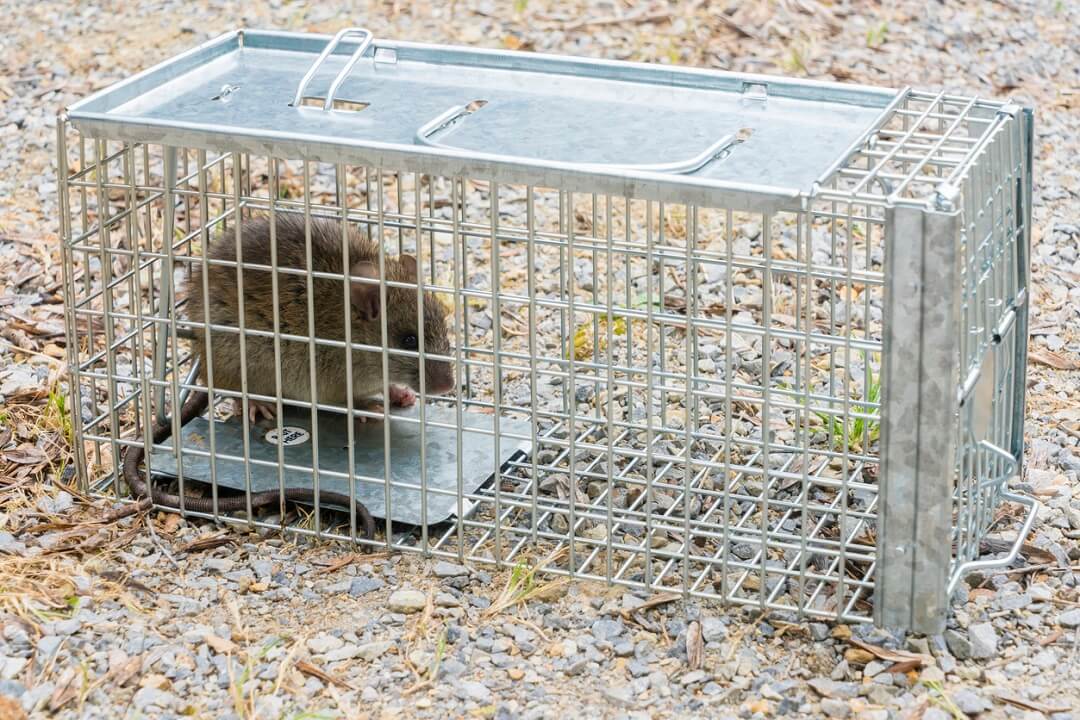
A professional estimate should describe the scope clearly. Depending on the property, service may include:
- Identification of the rodent
- Interior and exterior inspection
- Evaluation of droppings and damage
- Identification of nesting and travel areas
- Trap placement
- Monitoring and follow-up
- Rodent removal
- Entry-point recommendations
- Minor or major exclusion
- Sanitation guidance
- Landscaping recommendations
- Written documentation
- Warranty or service-period terms
Avoid comparing two prices until you know whether the proposals cover the same work.
One company may quote trapping alone. Another may include trapping, follow-up, exclusion, and monitoring. The second estimate will naturally be higher but may address more of the problem.
Is DIY Rodent Control Cheaper?
DIY rodent control has a lower upfront cost. Snap traps and basic exclusion materials may be inexpensive compared with professional service.
DIY may be reasonable when:
- Evidence is limited and recent.
- The activity is confined to one accessible area.
- The entry point is obvious.
- You can place and check traps safely.
- There are no signs of widespread contamination.
- You’re confident that the animal is a mouse or rat.
However, the cost advantage can disappear if the method fails or misses the entry route.
Potential DIY expenses include:
- Multiple trap types
- Replacement bait
- Protective equipment
- Exclusion materials
- Cleanup supplies
- Damaged food
- Repeated purchases
- Your time
- Repairs after continued gnawing
Essential oils and ultrasonic devices shouldn’t replace trapping and exclusion. A rat may avoid an unfamiliar scent temporarily without leaving a building that provides food and shelter.
Rodenticides also require careful consideration. Improper use may expose children, pets, or wildlife and can leave a dead rodent in an inaccessible location. Any pesticide must be used only where permitted and strictly according to its label.
Is Professional Rodent Control Worth the Cost?
Professional service provides the most value when the infestation is established, the entry route is unclear, or rodents are active in inaccessible areas.
A trained technician can:
- Distinguish rats from mice
- Interpret droppings and gnaw marks
- Identify roof and foundation openings
- Locate travel routes
- Place equipment strategically
- Monitor changes in activity
- Recommend durable exclusion
- Recognize conditions supporting reinfestation
The objective is not simply to catch one visible rodent. It is to determine whether others remain and stop new rodents from using the same route.
How to Compare Rodent Control Estimates
Price is important, but a proposal should also answer practical questions.
Ask each company:
- Is the inspection included?
- What rodent do you believe is present?
- What evidence supports that identification?
- How many service visits are included?
- Are traps, removal, and resetting included?
- Does the price include exclusion?
- Which entry points will be sealed?
- What materials will be used?
- Is attic or crawl-space inspection included?
- Is cleanup included?
- Are repairs included or referred out?
- Is there a warranty or service period?
- What could create additional charges?
- What preparation is required?
- What happens if activity continues?
Be cautious about guarantees that rodents will “never” return. Buildings change, materials deteriorate, trees grow, and new openings can develop. A trustworthy proposal should explain both the service and its limitations.
How to Lower Your Rodent Control Costs
The best way to save is to address evidence early.
You can also reduce conducive conditions before the appointment:
- Store food in sealed containers.
- Remove pet food after feeding.
- Clean beneath appliances.
- Secure trash and compost.
- Pick up fallen fruit.
- Repair water leaks.
- Trim branches away from the roof.
- Organize garages and attics.
- Remove clutter near walls.
- Document where droppings or noises appear.
Don’t seal suspected active entry points before the inspection. Trapping a rodent inside can cause odor, damage, and additional labor.
How Much Does Insight Pest Management Charge?
Insight Pest Management provides customized estimates because rodent problems vary significantly from one property to another. A price given without evaluating the infestation, building, and entry points may not reflect the work required.
The inspection allows the Insight team to determine:
- Whether rats or mice are present
- Where they’re traveling
- How they’re entering
- Whether trapping is needed
- What exclusion is appropriate
- Whether ongoing prevention makes sense
- Whether contamination or repairs require separate attention
This creates a more useful estimate than a single advertised price applied to every home.
Frequently Asked Questions About Rodent Control Costs
Costs vary, but professional rat control commonly costs several hundred dollars depending on the infestation and services required.
Not always. Some estimates include exclusion work, while others charge separately for sealing entry points.
Many infestations require multiple visits for trapping, monitoring, removal, and confirming that activity has stopped.
It depends on the company. Some include the inspection, while others charge a separate inspection fee.
Comprehensive service may include inspection, multiple visits, exclusion, monitoring, cleanup, and prevention rather than traps alone.
Science-Based Rodent Control in Ventura County
Led by Associate Certified Entomologist Israel Alvarez, Insight Pest Management provides rodent removal and exclusion throughout Ventura County and nearby Southern California communities.
Israel brings nearly 20 years of professional pest management experience to evaluating roof rats, Norway rats, mice, and the conditions supporting their activity. The company’s prevention-first approach combines inspection, targeted control, exclusion guidance, and customer education.
Insight Pest Management serves Newbury Park, Thousand Oaks, Camarillo, Simi Valley, Moorpark, Oxnard, Westlake Village, Chatsworth, Winnetka, Calabasas, Sherman Oaks, Wood Ranch, Malibu, Porter Ranch, Simi Valley, Ventura and nearby communities.
If you’re hearing scratching, finding droppings, or seeing gnawed food packages, waiting can allow the problem and damage to grow. Schedule an inspection with Insight Pest Management to receive a clear rodent-control plan and an estimate tailored to your property.