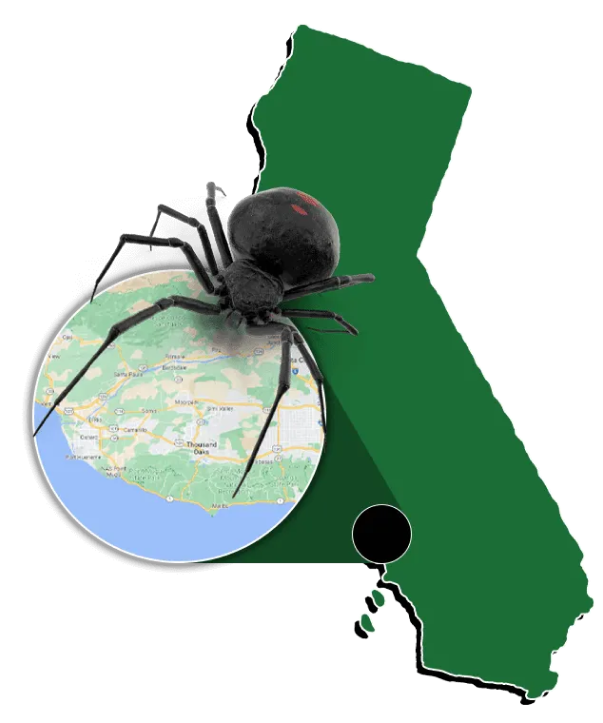


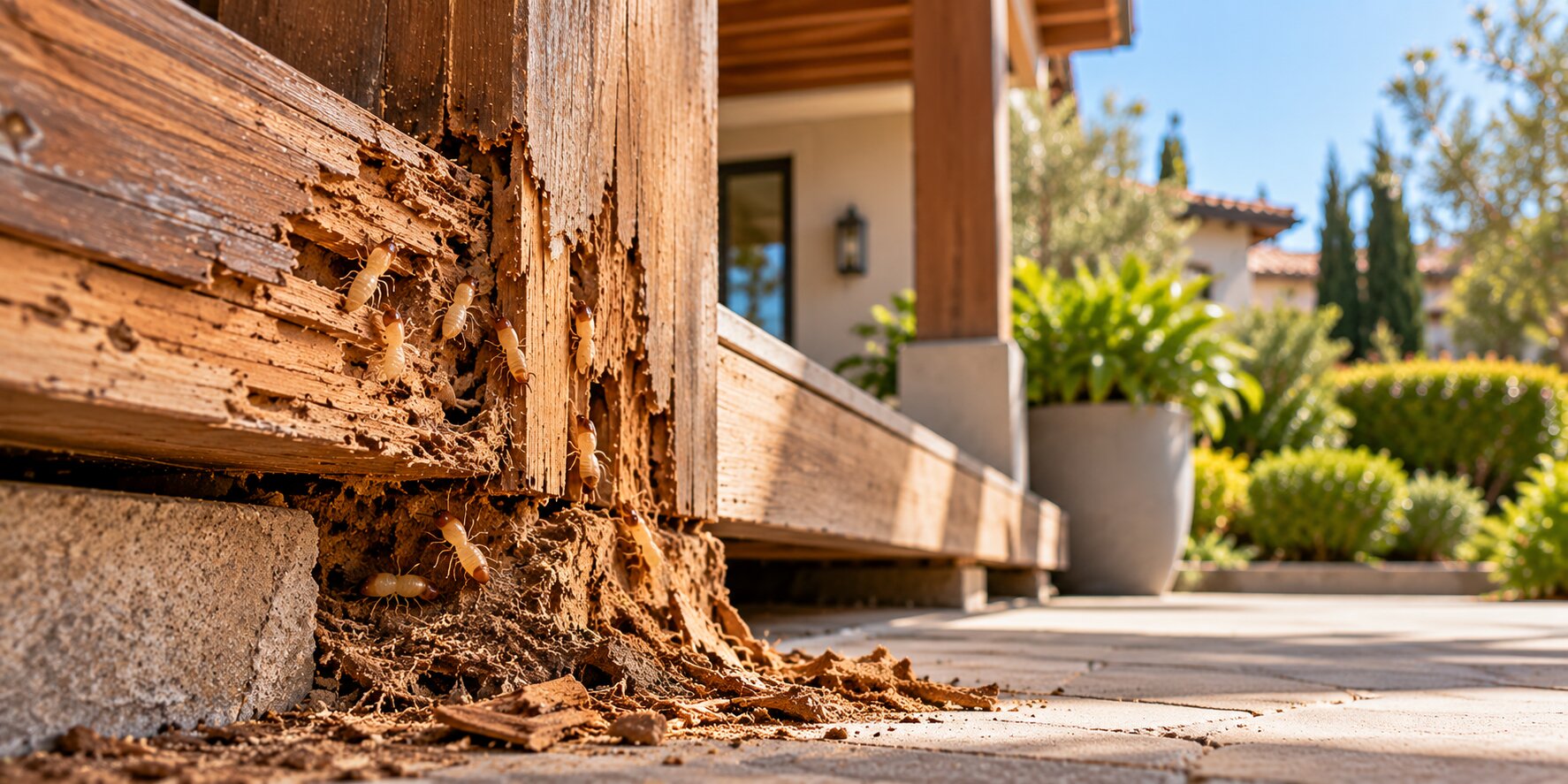

Insight Pest Management is proud to serve Westlake Village homeowners with science-based termite inspections and treatment for both drywood and subterranean termites. Termites work quietly inside wood and soil, so by the time most people notice a sign, the activity has often been going on for a while. The good news is that a careful inspection tells you what you’re dealing with, how far it extends, and what it actually takes to fix it.
Led by Associate Certified Entomologist Israel Alvarez, Insight brings nearly 20 years of hands-on experience to every termite evaluation. This page focuses on Westlake Village homes. For a look at everything we offer in town, visit our Westlake Village pest control hub. For our broader service across the region, see our Ventura County termite control service.
What Types of Termites Affect Westlake Village Homes?
Two groups matter most in Southern California, and they behave very differently. That’s why identifying the species comes before choosing any treatment.
- Drywood termites: These live entirely inside the wood they eat, such as framing, eaves, fascia, and trim. They don’t need contact with soil and often work in small, separate colonies.
- Subterranean termites: These nest in the soil and travel to your home for food. They’re drawn to moisture and often build mud tubes to move between the ground and wood.
Every property is different. A home with dry, well-maintained wood and good drainage may have very little exposure, while another with a leaky valve or buried wood could have more. Our job is to look at your actual conditions rather than assume.
How Do Property Conditions Influence Termite Risk?
Termites need food, and subterranean species also need moisture. Certain conditions can make a property more inviting, though none of them guarantee a problem. Here’s what we look for.
- Structural wood: Eaves, fascia boards, window frames, attic framing, and exposed trim are common places for drywood termites to enter.
- Landscaped and irrigated areas: Sprinklers, drip lines, and planter beds next to the foundation can keep soil damp, which matters most for subterranean termites.
- Moisture conditions: Leaky pipes, clogged gutters, poor drainage, and damp crawl spaces can create the humidity termites prefer.
- Wood-to-soil contact: Fence posts, deck supports, trellises, and siding that touch the ground give termites a direct path to wood.
- Stored or buried wood: Firewood stacked against the house, lumber scraps, and old stumps can attract termites and bring them close to the structure.
- Cracks and gaps: Openings in the foundation or around utility lines can make access easier.
What Are the Signs of Termite Activity?
Many termite signs are small and easy to mistake for dust or debris. If you notice any of the following, it’s worth a closer look:
- Swarmers: Winged termites emerging indoors or gathering near windows and lights
- Discarded wings: Small, translucent wings piled on windowsills, in spider webs, or near doors
- Frass: Tiny, wood-colored pellets that look like sand or sawdust, often a sign of drywood termites
- Mud tubes: Pencil-width tunnels of soil along foundations, walls, or piers, where subterranean termites are involved
- Damaged wood: Hollow-sounding timber, blistered or sagging surfaces, or small kick-out holes
- Sticking doors or windows: Warped frames can sometimes point to moisture or hidden activity
Picture a homeowner who finds a small pile of pellets on a windowsill and assumes it’s sawdust. A professional inspection might trace it to a single drywood colony in one section of the eave. That’s a very different job from a widespread problem, and finding out early keeps your options open.
How Does Insight Inspect for Termites?
Insight Pest Management treats the inspection as the foundation of the whole plan. Guessing doesn’t help you, so we gather the facts first.
- Listen first. You tell us what you’ve seen, where, and when.
- Inspect accessible areas. We check the exterior, eaves, attic, garage, crawl space, and foundation, along with landscaping and moisture sources.
- Identify the species. Frass, wings, mud tubes, and damage patterns help tell drywood from subterranean termites.
- Determine the extent. We look at how many areas show activity and whether it’s isolated or more widespread.
- Explain your options. You get a clear report and the reasoning behind each recommendation.
Israel Alvarez has been an Associate Certified Entomologist since 2013 and holds a California Pest Control Operators License (2014). As Vice Chair of the Pest Control Operators of California, Ventura District, he keeps our team current on safe, effective practices.
How Is Termite Treatment Chosen?
There’s no single answer, because the right treatment depends on the species, the location, and how far the activity extends. We match the approach to your findings rather than reaching for the biggest option by default.
- Localized treatment: When drywood termite activity is limited to specific areas, targeted treatment may be appropriate.
- Soil and perimeter treatment: For subterranean termites, treatment focuses on the soil and the paths into the structure.
- Moisture and conducive-condition corrections: Fixing leaks, drainage problems, and wood-to-soil contact helps reduce the conditions that attract termites.
- Whole-structure options: When drywood activity is widespread or can’t be reached, a broader approach may be worth discussing.
Fumigation is one option, not an automatic requirement. Some termite problems call for it, and many do not. We’ll explain what we found, why we recommend a particular approach, and what the alternatives look like so you can decide with confidence.
Schedule your inspection with certified entomologist Israel Alvarez and the Insight team.
Frequently Asked Questions About Termite Control in Westlake Village
Clues include pellets (drywood), mud tubes (subterranean), and the pattern of damage. A professional inspection confirms the species, which determines the treatment.
Not necessarily. The right approach depends on the species, how many areas are affected, and whether the activity can be treated directly. We’ll walk you through the options based on what we find.
Save a few samples in a sealed container or take clear photos, then schedule an inspection. Swarmers and wings are signs worth confirming, since they can come from more than one source.
It can. Constant moisture near the foundation and plants or wood touching the structure can create conditions termites like. That doesn’t mean every landscaped property has a problem, which is why we look at your specific setup.
It depends on the size and layout of the property. We take our time checking the exterior, attic, and other accessible areas so the findings are accurate.
Fix leaks promptly, keep gutters and drainage clear, store firewood away from the house, and avoid letting wood touch soil. Regular inspections help catch changes early.
We use an eco-friendly, prevention-first approach and targeted methods wherever possible. We’ll explain what’s being applied and any precautions that apply.
Ready to Check Your Westlake Village Home for Termites?
Don’t wait for a small sign to turn into a major repair. Founded and operated by Israel Alvarez, Insight Pest Management has become a trusted name in Southern California pest control, and we’re ready to give you clear answers.
Call Insight Pest Management in Westlake Village today at (805) 628-2881 for expert termite control solutions.