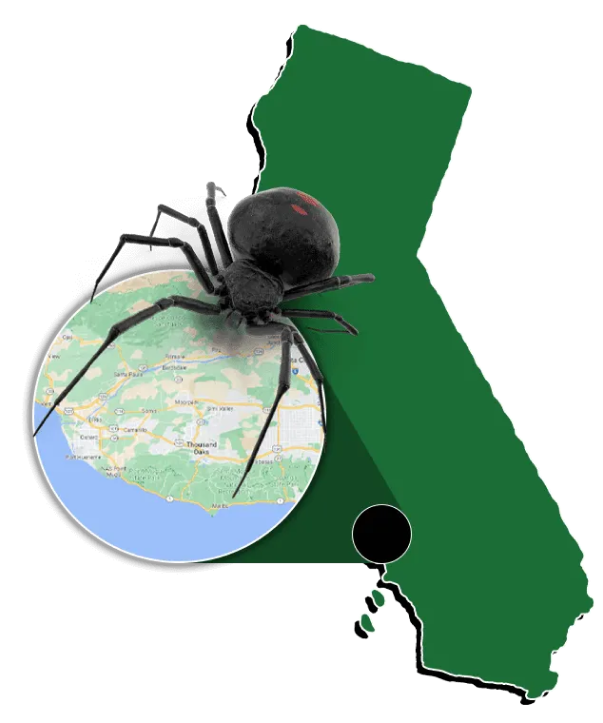


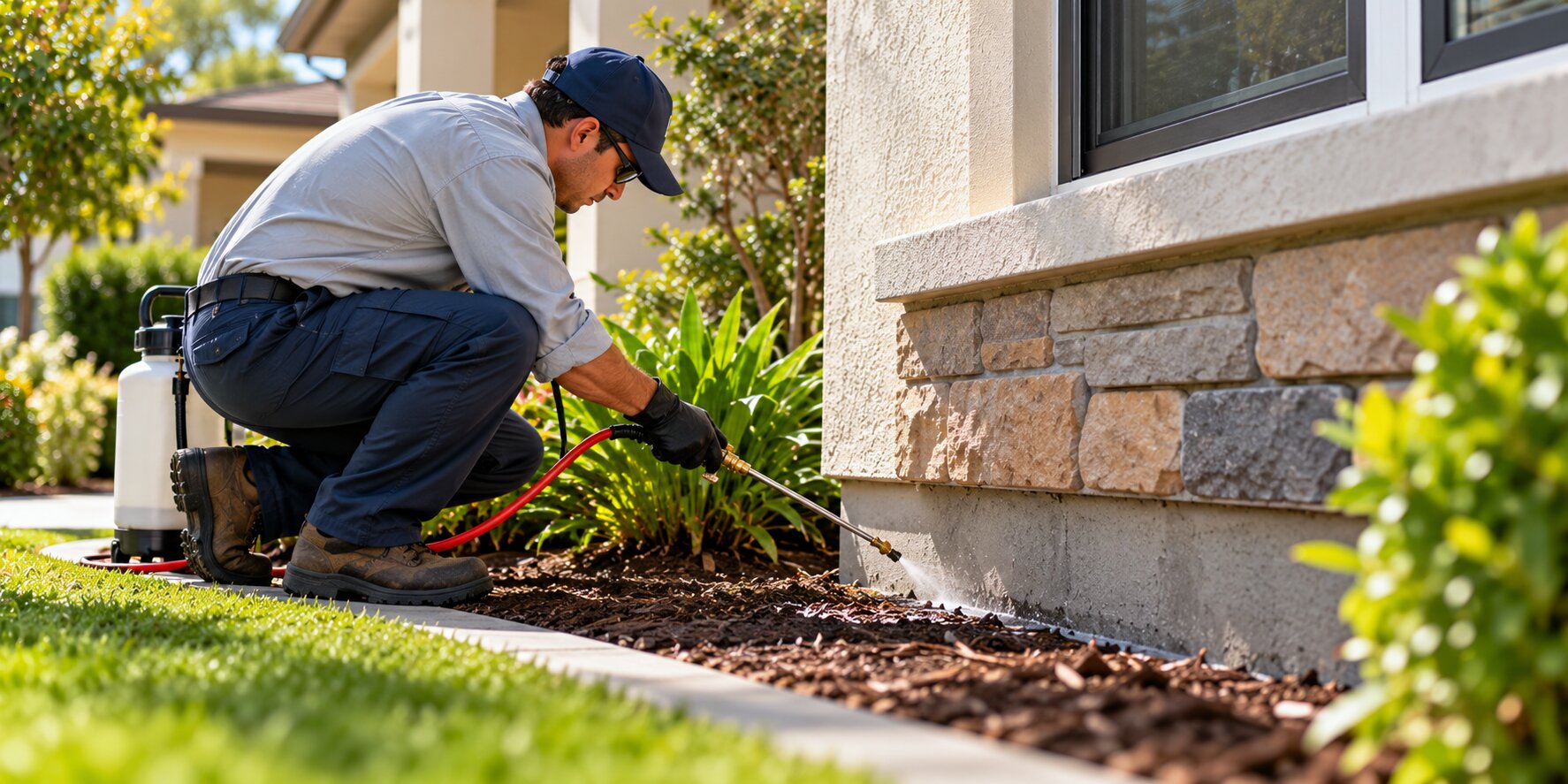

Termite control in Porter Ranch is an important part of protecting homes and commercial properties from hidden wood damage. Termites can remain active inside structural materials for months or even years before noticeable signs appear. Insight Pest Management provides professional termite inspections and treatment solutions in Porter Ranch, California, helping property owners identify infestations, understand potential damage, and take preventive steps to protect their investments.
Porter Ranch is home to beautiful residential neighborhoods, hillside properties, and homes featuring wood framing, decorative trim, and outdoor wooden structures. Southern California’s relatively mild climate can support termite activity throughout the year, making routine inspections especially valuable.
Unlike pests that are easily spotted crawling across floors or countertops, termites often remain concealed within wood, soil, or structural spaces. By the time homeowners discover damaged baseboards, discarded wings, or small piles of termite droppings, an infestation may already be established.
Led by Associate Certified Entomologist Israel Alvarez, Insight Pest Management combines nearly 20 years of professional pest management experience with science-based inspection methods and targeted treatment recommendations.
Concerned about termites in your home? Contact Insight Pest Management to schedule a professional termite inspection in Porter Ranch.
Why Are Termites a Concern for Porter Ranch Homeowners?
Termites feed on cellulose, a natural material found in wood, paper, and other plant-based products.
Because most homes contain wood framing or other cellulose-based building materials, termites can become a concern even when a property appears well-maintained.
Porter Ranch’s climate, landscaping, and residential construction can create conditions suitable for different termite species.
Several factors may increase termite activity around a property:
- Wood-to-soil contact: Wooden structural elements touching soil may provide access for subterranean termites.
- Moisture accumulation: Leaking pipes, poor drainage, and damp soil can support certain termite species.
- Wooden outdoor structures: Fences, decks, pergolas, and other features may provide accessible food sources.
- Structural gaps: Openings and cracks can create pathways into concealed building areas.
- Untreated or vulnerable wood: Exposed wood may be susceptible depending on the termite species and surrounding conditions.
- Seasonal swarming: Reproductive termites may emerge during favorable weather conditions to establish new colonies.
Termite activity isn’t limited to older houses. Newer homes can also experience infestations when termites find suitable entry points and food sources.
Professional inspections help identify conditions that may otherwise go unnoticed.
What Types of Termites Are Found in Porter Ranch?
Southern California is home to several termite species, but two major groups are especially relevant to residential properties: subterranean termites and drywood termites.
Understanding the difference is important because their nesting habits and treatment methods vary considerably.
Subterranean Termites
Subterranean termites generally live in soil and travel between their colonies and food sources.
They need access to moisture and often construct protective mud tubes to move across exposed surfaces.
These tubes help maintain a suitable environment as termites travel toward wood and other cellulose materials.
Signs of subterranean termite activity may include:
- Mud tubes along foundations or walls
- Damaged wood near soil contact
- Hollowed or weakened structural materials
- Swarming termites near windows or doors
- Moisture-related conditions around foundations
Some subterranean termite species can establish large colonies and cause significant damage when infestations remain untreated.
Drywood Termites
Drywood termites live inside the wood they infest and don’t require direct contact with soil.
They may establish colonies in structural framing, window trim, doors, furniture, and other wooden materials.
A common warning sign is the appearance of small, hard, pellet-shaped droppings called frass.
Drywood termite activity may also produce discarded wings near windowsills or other areas where swarmers gather.
Because these termites remain concealed inside wood, identifying the full extent of an infestation may require careful professional evaluation.
Why Proper Identification Matters
Subterranean and drywood termites require different management strategies.
A treatment designed to address termites traveling through soil may not be appropriate for a colony established entirely inside wood.
Accurate identification helps determine where the infestation is located and which treatment approach is most suitable.
What Are the Early Signs of a Termite Infestation?
Termite damage frequently develops in concealed spaces.
Homeowners may not notice anything unusual until termites produce visible evidence or the affected wood begins to deteriorate.
Watch for these common warning signs:
- Discarded wings: Small piles of wings near windows, doors, or lighting fixtures may indicate termite swarming.
- Mud tubes: Narrow, soil-like tunnels along foundations and other surfaces may indicate subterranean termite activity.
- Termite frass: Small piles of dry, pellet-shaped droppings may indicate drywood termite activity.
- Damaged wood: Hollowed, blistered, or weakened wooden materials can indicate concealed damage.
- Swarming insects: Winged termites appearing indoors or around the exterior may suggest nearby colonies.
- Unusual wood deterioration: Crumbling trim, damaged door frames, or weakened structural components may warrant investigation.
Not every sign of wood damage is caused by termites.
Moisture damage, fungal decay, and other wood-destroying insects can create somewhat similar conditions.
A trained inspection helps distinguish between these possibilities and avoid unnecessary treatment.
How Much Damage Can Termites Cause?
Termites can gradually weaken wooden materials by consuming cellulose and creating internal galleries.
The amount of damage depends on the termite species, colony size, infestation duration, moisture availability, and location of the affected wood.
In some cases, activity remains limited to relatively small areas. In others, colonies may affect framing, flooring components, and other structural materials.
Potential consequences include:
- Damaged structural framing
- Deteriorated baseboards and trim
- Weakened wooden supports
- Damage to doors and window frames
- Repairs to affected decks or outdoor structures
- Expenses associated with inspection, treatment, and restoration
Termite damage is often excluded from standard homeowners insurance policies when considered preventable maintenance-related damage, although coverage depends on the individual policy and circumstances.
Early identification can help property owners understand the problem before more extensive deterioration occurs.
How Does Insight Pest Management Handle Termite Control?
Effective termite management begins with understanding which termites are present, where they are active, and how the building’s construction affects treatment options.
Insight Pest Management emphasizes careful evaluation and science-based recommendations.
1. Comprehensive Termite Inspection
Our team begins by examining accessible areas for visible signs of termites and conditions that may support infestations.
Inspection locations may include:
- Exterior foundations
- Accessible attics and crawl spaces
- Window and door frames
- Baseboards and wooden trim
- Garages and storage areas
- Decks, fences, and outdoor wooden structures
- Areas affected by moisture or drainage problems
The inspection helps identify visible evidence of termite activity and determine whether further evaluation is appropriate.
2. Identifying the Termite Species
Correct identification is essential.
Drywood termites establish colonies within wood, while subterranean termites typically maintain a connection to soil.
These differences influence where treatments should be applied and which methods may provide effective control.
3. Evaluating the Extent of Activity
The next step involves assessing available evidence to understand where termite activity may be occurring.
Because termites can remain concealed, an inspection may not reveal every affected area without additional access or investigation.
Our team focuses on communicating visible findings and explaining when additional evaluation may be needed.
4. Recommending Appropriate Treatment Options
Termite treatments vary depending on the species, location, and extent of infestation.
Potential methods may include:
- Localized wood treatments: Targeted applications to accessible areas affected by certain drywood termite infestations.
- Termite bait systems: Strategically placed systems designed to intercept and control subterranean termite activity.
- Soil treatments: Applications intended to control subterranean termites and reduce their access to structures.
- Whole-structure treatment recommendations: For some widespread drywood termite infestations, structural fumigation or another comprehensive approach may be appropriate.
- Moisture and structural corrections: Recommendations to address conditions that support termite activity.
Not every method is appropriate for every property, and some specialized treatments may require a separate licensed provider.
Inspection findings determine which options should be considered and what scope of service is needed.
5. Prevention and Monitoring
Once termite activity has been addressed, ongoing attention to moisture, landscaping, and structural maintenance can help reduce future risk.
Periodic inspections are valuable because termite activity may develop without obvious surface damage.
Schedule a termite inspection with Insight Pest Management to learn which treatment and prevention options are appropriate for your Porter Ranch property.
Why Choose Insight Pest Management for Termite Control?
Termite problems require accurate identification, knowledge of structural pest behavior, and an understanding of available treatment methods.
Insight Pest Management combines professional expertise with clear communication and a prevention-focused philosophy.
Experienced Leadership From Israel Alvarez
Owner and operator Israel Alvarez brings nearly two decades of professional pest management experience to the company.
His credentials include:
- Associate Certified Entomologist since 2013
- California Pest Control Operators License obtained in 2014
- Vice Chair of the Pest Control Operators of California, Ventura District
- National Pest Management Association Executive Leadership Program participant in 2019
His professional background supports the company’s commitment to thoughtful inspections, informed treatment decisions, and continuing education.
Science-Based Treatment Recommendations
Different termite species behave differently, so successful control depends on selecting appropriate methods.
Our approach begins with identification and evaluation rather than recommending identical treatments for every property.
Clear, Educational Communication
Termite concerns can be stressful, especially when homeowners worry about hidden structural damage.
We believe customers should understand the inspection findings, potential treatment options, and practical steps that may help protect their homes.
Local Southern California Knowledge
Experience with Southern California properties helps inform recommendations involving termite activity, moisture conditions, landscaping, and common building features.
Our team emphasizes solutions suited to the environment and the individual structure.
How Can Porter Ranch Homeowners Reduce the Risk of Termites?
Termites can’t always be prevented, but homeowners can take steps to make their properties less favorable.
Consider these recommendations:
- Repair leaks promptly: Address leaking faucets, plumbing, and irrigation systems.
- Maintain drainage: Direct excess water away from foundations where practical.
- Reduce wood-to-soil contact: Avoid placing vulnerable wooden materials directly against soil.
- Store firewood away from buildings: Keep wood piles off the ground and separated from exterior walls when possible.
- Maintain landscaping: Prevent unnecessary moisture buildup around foundations.
- Inspect wooden structures: Look for changes in fences, decks, pergolas, and other exposed features.
- Monitor for swarming: Pay attention to discarded wings and unusual insect activity.
- Schedule periodic inspections: Professional evaluations may reveal activity before obvious damage develops.
These practices reduce certain risks but do not guarantee that termites will never enter a building.
Frequently Asked Questions About Termite Control in Porter Ranch
Are termites common in Southern California?
Yes. Southern California supports both subterranean and drywood termite species. The mild climate can allow termite activity throughout much of the year, although swarming patterns vary by species and weather conditions.
How do I know whether I have termites or ants?
Winged termites typically have relatively straight antennae, broad waists, and wings of approximately equal length. Winged ants usually have elbowed antennae, narrow waists, and front wings longer than their hind wings. Professional identification is recommended when uncertain.
Can termites damage a newer home?
Yes. New construction is not automatically immune to termites. Protection depends on factors such as construction methods, preventive treatments, maintenance, and environmental conditions.
Does termite treatment require leaving the house?
Not always. Some localized treatments and bait systems may allow occupants to remain at home, while structural fumigation requires temporary evacuation. Requirements depend on the treatment method and product instructions.
How long does termite treatment last?
The longevity and effectiveness of termite treatments depend on the method, product, environmental conditions, and ongoing maintenance. No treatment guarantees permanent protection against every future infestation.
Can I treat termites myself?
Over-the-counter products may affect accessible termites, but they may not reach concealed colonies. Professional inspection and properly selected treatment methods are generally advisable for established infestations.
How often should a home be inspected for termites?
Annual termite inspections are a commonly recommended preventive practice in areas with significant termite activity. The appropriate frequency may vary depending on property history, construction, and local conditions.
Schedule Professional Termite Control in Porter Ranch
Termites can remain hidden while gradually damaging the wooden materials that support and finish your property.
Insight Pest Management helps Porter Ranch property owners understand termite activity through knowledgeable inspections, science-based recommendations, and practical prevention guidance.
Founded and operated by Associate Certified Entomologist Israel Alvarez, our company emphasizes accurate pest identification, approachable service, and solutions suited to Southern California homes and businesses.
Whether you’ve discovered termite droppings, noticed swarming insects, or simply want to evaluate your property’s condition, professional guidance can help you make informed decisions.
Call Insight Pest Management today to schedule a termite inspection in Porter Ranch. Get experienced guidance and take a proactive step toward protecting your home from costly termite damage.