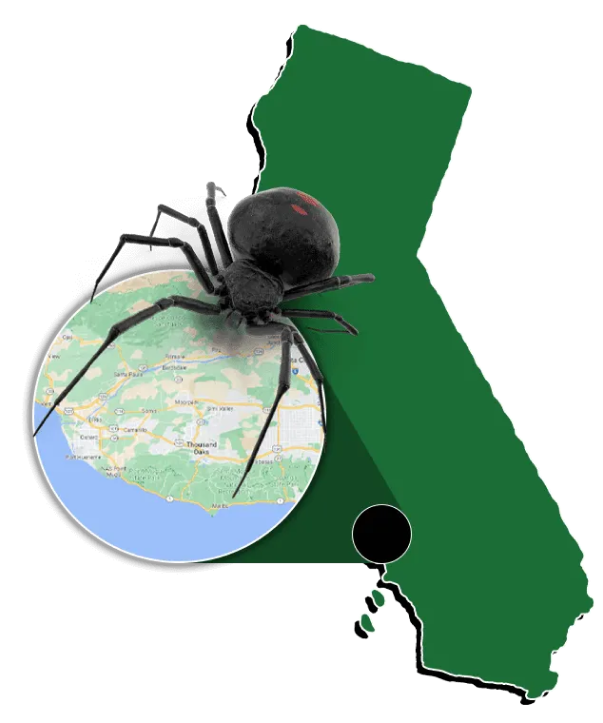



Insight Pest Management is proud to serve Moorpark homeowners with science-based rodent control for rats and mice. If you’ve heard scratching above the ceiling, found droppings in the garage, or noticed chewed wiring, trapping a rodent or two probably isn’t enough. The real question is where they’re coming from and how they’re getting in. Solving that is what keeps them from coming back.
Led by Associate Certified Entomologist Israel Alvarez, Insight brings nearly 20 years of hands-on experience to every rodent inspection. This page focuses on how rodents move between Moorpark’s outdoor environments and the structures on your property. For an overview of everything we offer here, visit our Moorpark pest control services page. For our broader service across the region, see our Ventura County rodent control service.
How Do Rodents Move From the Outdoors Into Moorpark Properties?
Rodents are always looking for three things: food, water, and shelter. Moorpark’s mix of residential neighborhoods, open land, and nearby agricultural areas can give them places to live and travel. Whether any particular property is affected depends on its conditions, so we look at yours directly.
Rats and mice rarely start inside. They nest in vegetation, under debris, in burrows, and in outbuildings, then explore the closest structure for something better. A garage with a small gap, an attic vent with a damaged screen, or a tree branch resting on the roof can be all the invitation they need.
- Roof rats: Skilled climbers that travel along branches, fences, and utility lines to reach attics and rooflines.
- Norway rats: Burrowers that tend to stay near ground level, nesting along foundations, in debris piles, and in garages.
- House mice: Small and adaptable, able to squeeze through very small openings and nest nearly anywhere indoors.
Which Areas of a Property Do Rodents Prefer?
Rodents favor spaces that are quiet, protected, and close to food and water. These are the places we check most often.
- Garages: Gaps beneath the door, utility penetrations, and cluttered corners offer easy access and cover.
- Attics: Warm insulation and undisturbed corners make appealing nests, and entry points near vents and eaves often go unnoticed.
- Storage areas: Cardboard boxes, stored fabrics, and bagged supplies offer nesting material and, sometimes, food.
- Wall voids and crawl spaces: Hidden routes let rodents travel through the structure without being seen.
- Outbuildings: Sheds, workshops, and detached garages often have older doors, gaps, and stored items that provide shelter.
- Landscaping: Dense shrubs, ivy, woodpiles, and overhanging branches hide travel routes and nesting areas close to the house.
What Are the Signs of Rodent Activity?
Rodents tend to be active at night and keep out of sight, so the clues often appear before the animals do. Watch for:
- Scratching, scurrying, or gnawing sounds in the attic or walls, usually after dark
- Droppings in the garage, cabinets, or along walls
- Chewed wood, wiring, plastic, or food packaging
- Greasy rub marks along baseboards, beams, or pipes
- Shredded insulation, paper, or fabric used as nesting material
- Chewed fruit, nuts, or pet food left in the yard or garage
- Pets focusing intently on a wall, vent, or corner
Picture a homeowner who notices faint thumping above the bedroom a few nights in a row. They set a trap, catch one rat, and the noise stops for a week. Then it starts again. An inspection might show a gap at the roof return that was never sealed, so more rats simply took the first one’s place. The trap solved a symptom. The gap was the source.
How Does Insight Inspect for the Source of a Rodent Problem?
Insight Pest Management starts with a detailed inspection of the exterior and interior. The goal is to understand how rodents are getting in, where they’re traveling, and what’s drawing them to your property.
- Listen first. You tell us what you’ve noticed, where, and when.
- Inspect the exterior. We check rooflines, eaves, vents, foundations, garage doors, utility lines, outbuildings, and nearby vegetation for gaps and travel routes.
- Inspect the interior. We look in the attic, garage, and storage areas for droppings, rub marks, nesting, and damage.
- Identify the species. Roof rats, Norway rats, and mice behave differently and need different strategies.
- Find food and water sources. We note pet food, bird feeders, fruit trees, trash, and leaks that may be supporting rodents.
- Explain your options. You get a clear plan with the reasoning behind each step.
How Do Trapping, Exclusion, and Monitoring Work Together?
Effective rodent control happens in layers. Each layer does a different job.
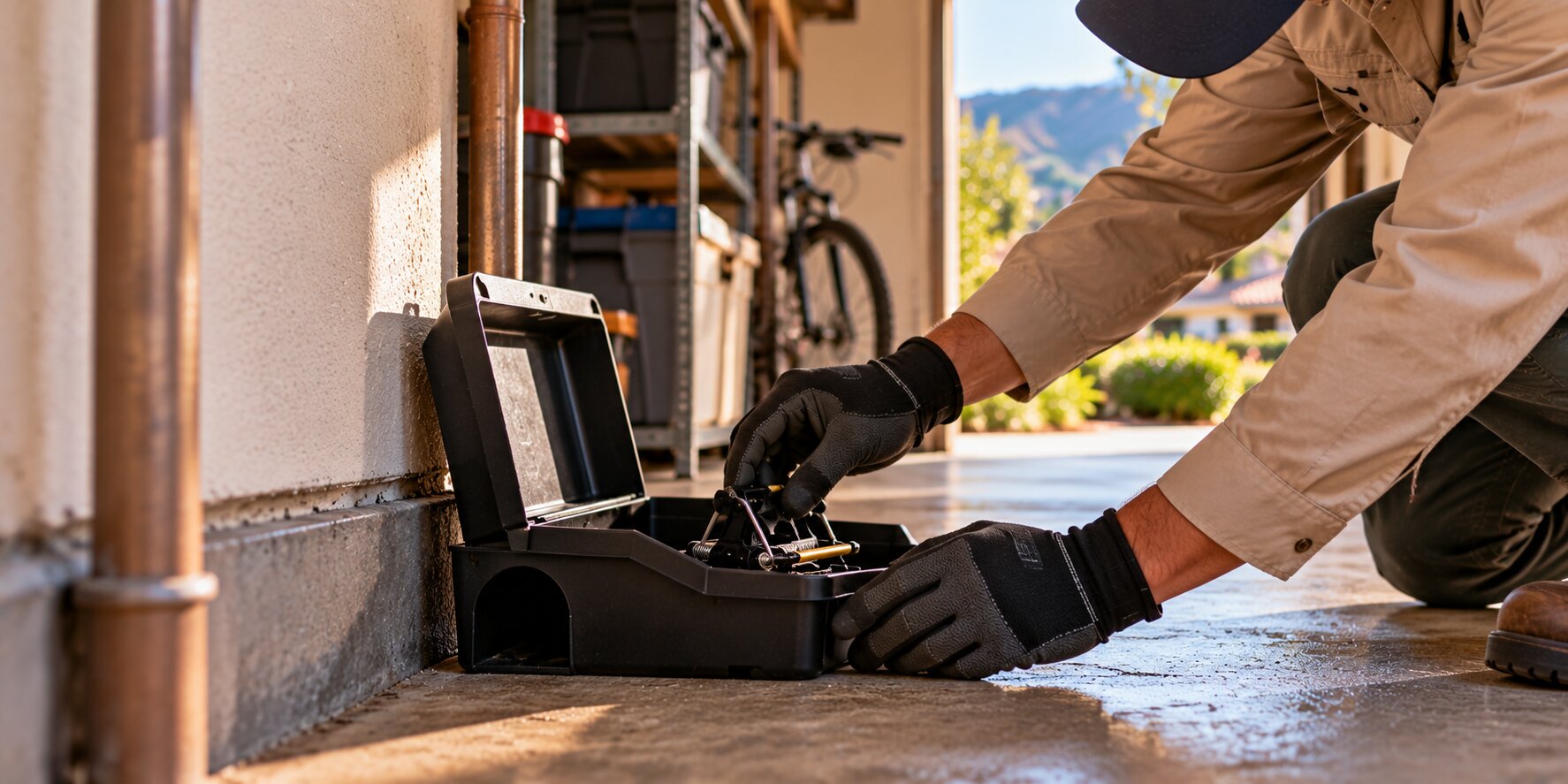
Trapping and removal. We place traps along the routes rodents actually use, rather than scattering them at random. That removes the animals already on your property.
Exclusion. This is what makes results last. We seal structural gaps, vents, and openings with durable materials rodents can’t chew through, and we recommend repairs where needed.
Poison-free options. Where appropriate, we rely on trapping and exclusion rather than poison. That can be a good fit for homes with children and pets, and it avoids the problem of rodents dying in walls where they can’t be reached. We’ll talk through which approach makes sense for your property.
Monitoring. After the work is done, we check back to confirm activity has stopped and that the seals are holding.
Reducing attractants. We’ll show you what to adjust, from sealing pet food and bird seed in containers to picking up fallen fruit, trimming branches off the roof, fixing leaks, and replacing cardboard storage with plastic bins.
Why Is Trapping Alone Not Enough?
It’s tempting to catch a few rodents and call the job finished. Unfortunately, that rarely holds on its own.
If entry points remain open, new rodents will find them. Existing scent trails and available food keep drawing animals back to the same spot, and rodents reproduce quickly, so a small group can rebuild fast. Poison-only approaches can also leave the entry points untouched, which means the cycle simply repeats.
Trapping handles the rodents you have. Exclusion and prevention handle the ones you’ll have next month. That’s why Insight Pest Management treats the structure and the surrounding conditions as seriously as the animals.
Israel Alvarez has been an Associate Certified Entomologist since 2013 and holds a California Pest Control Operators License (2014). As Vice Chair of the Pest Control Operators of California, Ventura District, he keeps our team current on safe, effective practices.
Schedule your inspection with certified entomologist Israel Alvarez and the Insight team.
Frequently Asked Questions About Rodent Control in Moorpark
Droppings, noise, and damage all offer clues. Rat droppings are larger than mouse droppings, and rats are more often heard in attics while mice often show up in garages and kitchens. An inspection confirms what you have.
Nearby habitat can support rodents, and homes along the edge of open areas may be the next place they explore. Tight exclusion work and regular inspections help keep them out.
Yes. Gaps around doors, vents, rooflines, and utility lines give them access, and stored items give them shelter. We check all of these during an inspection.
In many cases, yes. We use trapping and exclusion where appropriate and will explain what makes sense for your home and household.
The entry points were probably still open. Without sealing them, new rodents can follow the same route in. Exclusion is what breaks that cycle.
It depends on the size of the problem and the number of entry points. Trapping typically takes some time, followed by sealing and a monitoring visit to confirm the issue is resolved.
Trim branches away from the roof, store food and pet supplies in sealed containers, clear clutter from garages and storage areas, and fix any leaks or gaps you notice. We’ll point out specific fixes during your inspection.
Ready to Solve the Source of Your Moorpark Rodent Problem?
Don’t wait for scratching in the attic to turn into chewed wiring and a larger repair. Founded and operated by Israel Alvarez, Insight Pest Management has become a trusted name in Southern California pest control, and we’re ready to find where rodents are getting in.
Call Insight Pest Management in Moorpark today at (805) 628-2881 for expert rodent control solutions.