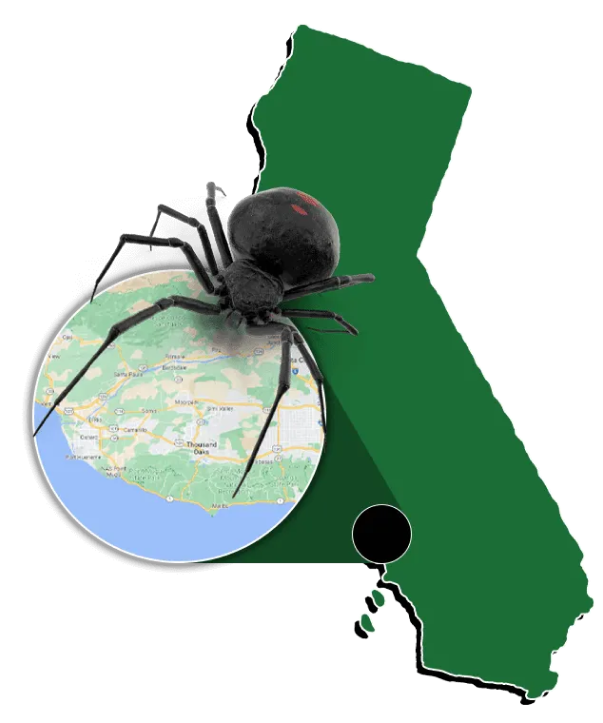




Insight Pest Management is proud to serve Moorpark homeowners with science-based ant control that starts with understanding the colony. A line of ants crossing the kitchen floor feels like a kitchen problem, but it almost never is. The nest is usually outside, and the trail is just the visible end of a much larger operation.
Led by Associate Certified Entomologist Israel Alvarez, Insight brings nearly 20 years of hands-on experience to every ant inspection. This page looks at ant activity through the lens of Moorpark’s inland climate and open-land setting. For an overview of everything we offer here, visit our Moorpark pest control services page. For our broader service across the region, see our Ventura County ant control service.
How Does Moorpark’s Inland and Open-Land Setting Affect Ants?
Moorpark sits inland, where days can run warm and dry, and many neighborhoods border open land, hillsides, or agricultural areas. Ants that nest in natural ground and vegetation nearby can expand toward homes, especially when conditions shift. How much this matters depends on the property, so we look at yours rather than making assumptions.
Here’s the pattern we often see. When the surrounding ground dries out, ants look for dependable moisture. A lawn, a drip-irrigated garden, a leaky hose bib, or a damp bathroom can look like an oasis next to dry open space. Property edges that meet open land can also give colonies an easy path from natural habitat to the foundation.
How Do Ant Colonies Behave?
Understanding colony behavior explains why quick fixes fail.
- Hidden nests: The queens and most of the colony stay in the nest, which may be in soil, under pavers, inside planter beds, or within wall voids.
- Foraging trails: Workers lay scent trails to food and water. Wiping the trail away only interrupts it temporarily, and other ants soon re-establish it.
- Multiple queens and satellite nests: Some species, including Argentine ants, form large colonies with many queens and several connected nests.
- Colony budding: Disturbing certain colonies, for example with repellent sprays, may cause groups to split off and form new nests nearby.
- Constant adaptation: Ants shift their trails and nesting sites when food, water, or weather changes.
Which Ants Are Common Around Moorpark Homes?
Several species are common in Southern California, and each behaves a little differently. Identification matters because it affects how and where we treat.
- Argentine ants: Fast-moving, trail-forming ants that nest in soil and often follow moisture and sweet foods indoors.
- Odorous house ants: Small, dark ants that often give off a noticeable smell when crushed and may nest in wall voids or near moisture.
- Pavement ants: Ants that nest under slabs, patios, and walkways and may enter through cracks.
- Carpenter ants: Larger ants that may nest in damp or damaged wood. Their presence can point to a moisture problem worth investigating.
Other species may appear too, especially on properties near open land. A careful inspection and identification keeps us from guessing.
What Property Conditions Draw Ants Toward Moorpark Homes?
- Irrigated landscaping: Sprinklers, drip lines, and planter beds keep soil damp near the foundation.
- Exterior nesting sites: Mulch, ground cover, pavers, stone borders, and the base of trees offer sheltered nesting spots.
- Moisture sources: Leaky hose bibs, A/C condensate lines, dripping pipes, and pet water bowls draw ants during dry spells.
- Vegetation touching the house: Branches and vines work like bridges to walls and rooflines.
- Cracks and gaps: Small openings around doors, windows, and utility lines give trails a way inside.
- Food sources: Pet food, fruit trees, trash bins, and sticky spills on patios keep foragers coming back.
Where Do Ants Appear Inside the Home?
Once a trail finds an entry point, ants head for food and water. The most common spots are kitchens (counters, pantries, pet dishes, and areas near the sink), bathrooms (around sinks, tubs, and toilets), and window and door frames. Ants can also travel through wall voids and along baseboards, which is why they sometimes seem to appear from nowhere.
Picture a homeowner who sees ants along the bathroom counter after a run of hot, dry days. They clean, and the ants return the next morning. An inspection might show a trail that starts at an irrigated planter, follows a foundation crack, and enters through a gap near the window. The bathroom was only the destination.
How Does Insight Inspect, Treat, and Monitor for Ants?
Insight Pest Management follows a clear, prevention-first process built around finding the source and checking that treatment works.
- Listen first. You tell us where you’ve seen ants, when, and what you’ve already tried.
- Inspect inside and out. We follow trails from interior activity back to entry points and exterior nesting areas, checking irrigation, moisture sources, vegetation, and foundations.
- Identify the species. We confirm what we’re dealing with before choosing a method.
- Treat with precision. We use targeted, eco-friendly treatments placed where ants actually travel and nest, aimed at reaching the colony rather than only the foragers.
- Monitor results. We check back to confirm activity is declining and that treatment is working. If something needs adjusting, we adjust.
- Prevent a repeat. We recommend practical steps, like sealing cracks, fixing leaks, trimming vegetation off the house, and adjusting irrigation.
Israel Alvarez has been an Associate Certified Entomologist since 2013 and holds a California Pest Control Operators License (2014). As Vice Chair of the Pest Control Operators of California, Ventura District, he keeps our team current on safe, effective practices.
Schedule your inspection with certified entomologist Israel Alvarez and the Insight team.
How Can You Keep Ants From Returning?
- Fix moisture problems: Repair leaks and adjust irrigation so it isn’t soaking the foundation.
- Cut the bridges: Trim branches, vines, and shrubs away from walls and the roofline.
- Seal entry points: Close gaps around doors, windows, pipes, and utility lines.
- Manage food: Store pantry items in sealed containers, wipe up spills, and keep pet food covered.
- Clear nesting spots: Reduce debris, loose mulch, and stacked materials along the foundation.
- Schedule seasonal check-ins: Regular inspections help catch changes before trails become established.
Frequently Asked Questions About Ant Control in Moorpark
When conditions outside dry out, ants often look for reliable water and food. Kitchens, bathrooms, and irrigated areas near the house can become attractive.
It can influence ant activity, but it depends on the property. Colonies nesting nearby may expand toward homes, so sealing entry points and managing moisture are especially useful.
In most cases the colony is outside, in soil, under pavers, or in planter beds. An inspection follows the trail to the source so treatment targets the right place.
It may remove the ants you see, but it usually doesn’t reach the colony. Some repellents can also cause certain colonies to split, making the problem more widespread.
It depends on the species, the size of the colony, and conditions on your property. We monitor activity after treatment to confirm it’s working.
We use an eco-friendly, prevention-first approach and targeted methods wherever possible. We’ll explain what’s being applied and any precautions that apply.
Often, yes. Reducing soggy soil near the foundation and fixing leaks removes a key reason ants gather there. We’ll suggest changes that protect your landscaping.
Ready to Stop Ants at Your Moorpark Home?
You shouldn’t have to wipe down the same trail every morning. Founded and operated by Israel Alvarez, Insight Pest Management has become a trusted name in Southern California pest control, and we’re ready to find where your ants are really coming from.
Call Insight Pest Management in Moorpark today at (805) 628-2881 for expert ant control solutions.