


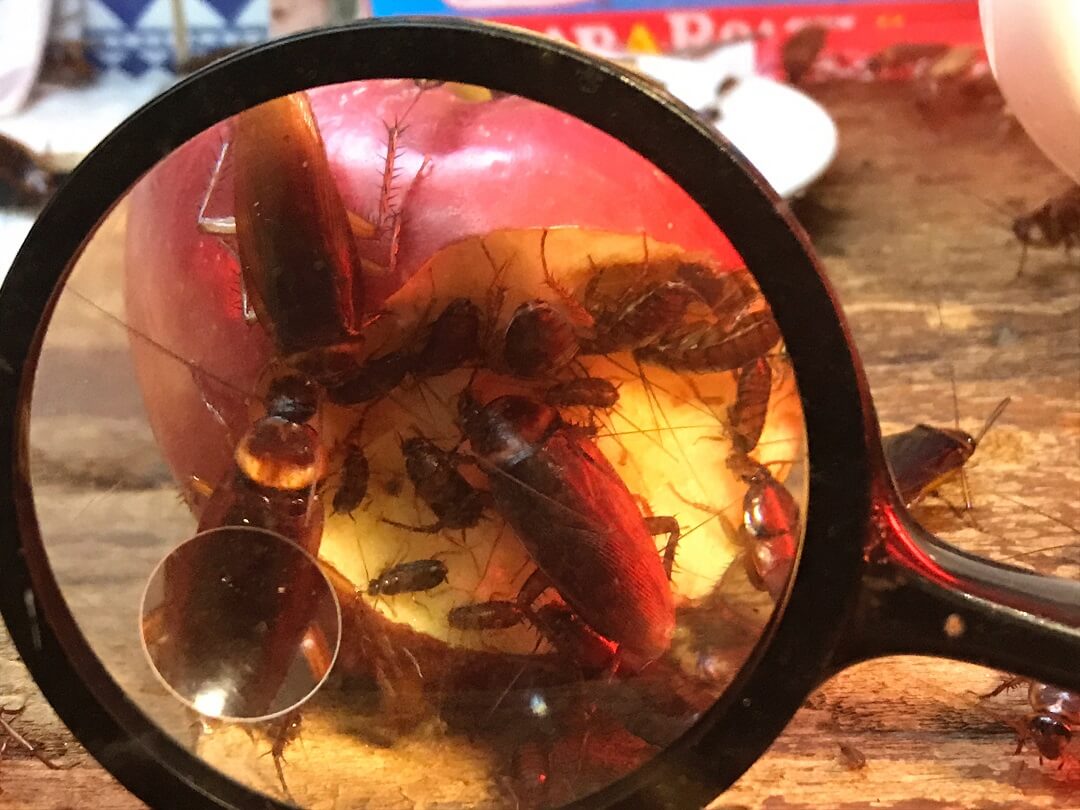

Waking up to find a cockroach strolling across your kitchen counter is enough to make anyone’s skin crawl. But seeing one cockroach in your kitchen is only the beginning. Unfortunately, these pests multiply quickly and can spread diseases to you and your family. When you see one, you better believe there is much more hiding from view. But how do you get rid of cockroaches in your kitchen? How do you prevent cockroaches in kitchen cabinets? To eliminate cockroaches in your kitchen, you first need to understand why and how they enter your home. Once you do, there are many natural ways you can eliminate these pests and keep your home cockroach-free.
Key takeaways
- Cockroaches enter homes in search of food, water, and shelter.
Eliminate food and water sources, seal cracks and crevices to prevent entry. - Natural methods to eliminate cockroaches include baking soda, diatomaceous earth, boric acid, dish detergent, peppermint oil, and lemon juice.
- Keep your kitchen clean and address areas of increased moisture to prevent cockroach infestations.
- If natural treatments are unsuccessful, consider calling a professional pest management team for assistance.
Why and how do cockroaches enter your home?
Cockroaches, like any other pest, enter your home in search of food, water, and shelter. In an effort to make your home less attractive to cockroaches, you want to do everything you can to eliminate potential food and water sources, such as dirty dishes in the sink, food crumbs on the counters or floors, full garbage cans, pet food, and areas of excess moisture, such as dripping faucets or leaky pipes. Eliminating these potential sources will help remove the welcome mat for cockroaches.
Once you eliminate food and water sources, you need to look at how these cockroaches are entering your home. Cockroaches have the ability to squeeze through even some of the smallest entry points, such as cracks in the foundation or openings in unsealed doors and windows. You want to thoroughly inspect your doors, windows, foundation, pipes, and vents for any potential cracks and crevices and seal these entry points to keep cockroaches and other pests from entering your home.
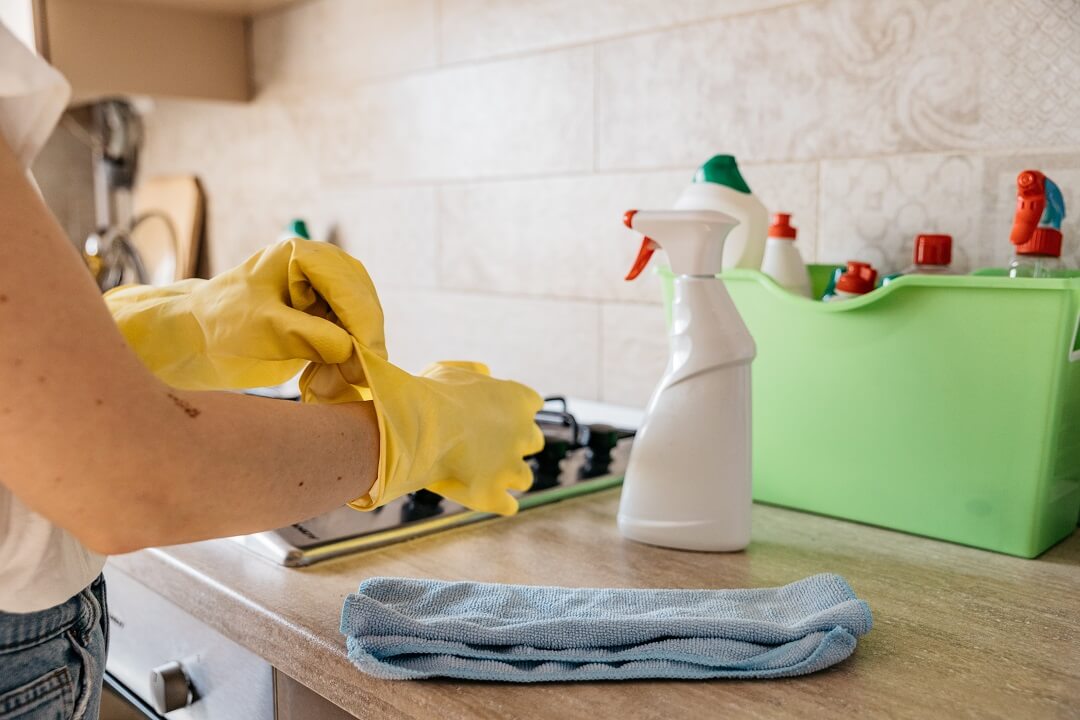
If you want to avoid chemicals or professional cockroach treatments, there are some natural methods you can try to eliminate cockroaches in your home. Here we look at some natural methods that can help to eliminate your cockroach infestation or deter the cockroaches from ever entering your home.
1. Baking soda
Baking soda is a deadly ingredient to cockroaches. Combining baking soda with sugar and leaving it in an area frequented by cockroaches will work as a natural bait trap. When the cockroaches ingest the baking soda, it creates gases in the cockroaches’ stomachs that they are unable to release, essentially causing them to burst.
2. Diatomaceous earth
Diatomaceous earth is a natural insecticide made from pulverized, fossilized algae. These small particles are sharp and dehydrating to the exoskeletons of the cockroach, causing them to essentially dehydrate. You simply sprinkle food-grade diatomaceous earth in areas of cockroach activity and let it do its job. This method is safe to use around children and pets.
3. Boric acid
Boric acid can be a very effective method of killing roaches in the home. However, do NOT use this method if you have pets as it can be extremely toxic to your furry family members. To use boric acid, mix equal parts of boric acid, flour, and sugar to make a dough. Place small dough balls in areas where you have seen cockroaches. The cockroaches will feed on the dough which will eventually kill the roaches.
4. Dish detergent
If you see cockroaches and want to kill them immediately, simple dish soap and water are an effective natural treatment. Spraying the cockroach with this solution will block their breathing pores and suffocate them.
5. Peppermint oil
Peppermint oil is a very effective pest deterrent, and it works well on cockroaches. Mixing 15 drops of peppermint essential oil with water and spraying the perimeter of your home will help keep cockroaches and other pests from entering.
6. Lemon Juice
Cockroaches do not like the smell of lemons and other citrus fruits. Leaving lemon juice or lemon peels around your house can work as a natural deterrent, keeping the cockroaches from entering your home.

Keeping your kitchen cockroach-free
In order to keep your kitchen roach-free, there are a few steps you must follow. Ideally, you want to begin with checking for points of entry into your homes, such as cracks and crevices, and make sure these points are sealed. You want to address any areas of increased moisture, such as repairing leaky pipes or faucets. In your kitchen, you want to ensure that food particles, such as crumbs or dirty dishes, are cleaned and removed, as well as take out your garbage frequently. You can also book a professional house cleaning service to do this for you on a regular basis to ensure there’s less food around. If you still see cockroaches, you may try one of the home treatment options we discussed in order to eliminate your cockroach problem.
Why cockroaches keep coming back in kitchens
Roaches thrive when crumbs, grease, and pet food are accessible, and when water is available from leaks, condensation, or damp dish areas. They hide in tight cracks near warmth and appliances, then spread through gaps around plumbing and cabinets. If you only kill what you see, the hidden population keeps reproducing.
Step 1: Remove food sources (what matters most)
Wipe grease and crumbs daily, especially around the stove, microwave, toaster, and counter edges. Vacuum under rugs and toe-kicks where crumbs collect. Store pantry items in sealed containers, keep fruit in the fridge if roaches are active, and do not leave pet food out overnight. Take trash out nightly and keep the bin clean and dry.
Step 2: Eliminate water access
Fix leaks under the sink, around the dishwasher, and behind the fridge water line. Dry the sink area at night and avoid leaving wet sponges or dishcloths out. Check for condensation under the fridge and around pipes, and address any recurring dampness in cabinet corners.
Step 3: Deep clean the hidden hot spots
Pull out the stove and refrigerator and clean the floor edges, wall gaps, and the back corners where grease and crumbs build up. Clean inside cabinet hinges and drawer tracks. Remove shelf liners if they are oily or stained. Roaches commonly nest behind appliances, under sinks, and inside voids around plumbing penetrations.
Step 4: Use the right treatment (bait first, not spray)
Use gel bait in small dots in cracks and hidden corners under cabinets, behind the fridge, behind the stove, and near plumbing lines—never on open counters or food surfaces. Add bait stations where they stay dry and undisturbed. Avoid spraying repellant insecticides in bait areas, because it can reduce bait feeding and push roaches deeper into walls.
Step 5: Add monitoring and stop entry
Place sticky traps under the sink, behind the fridge, and along baseboards to confirm activity and identify the main pathways. Seal gaps with caulk along backsplash seams, cabinet corners, baseboards, and around pipe penetrations. Add door sweeps where exterior doors meet the floor, and fix screens/vents if roaches are entering from outside.
When to call a professional
If you are still seeing roaches after two weeks of cleaning, drying, baiting, and trapping, there is likely a larger hidden population or a recurring entry issue. Professional treatment can target nesting zones, apply non-repellent products correctly, and seal key access points—especially in wall voids, shared walls, and hard-to-reach appliance areas.
FAQ
Why do I see roaches at night?
Roaches are most active after dark, and daytime sightings can indicate heavier activity.
Is it better to spray or bait?
Bait is usually more effective in kitchens because it reaches the hidden population.
Do I need to empty my kitchen?
Usually not, but clearing clutter and access to baseboards and cabinets improves results.
When natural treatments just don’t do the job
Unfortunately, cockroaches are persistent pests and, despite all your best treatment and management efforts, may still call your kitchen home. If home treatment options are unsuccessful, calling a professional pest management team, such as Insight Pest Management, is recommended. Our team of professionals will find all potential entry points and ensure they are sealed before treating your roach infestation. Once the cockroaches are gone, we work with you to create an effective preventative solution to ensure your home remains cockroach-free. To learn more about how we can help, schedule your free evaluation today.