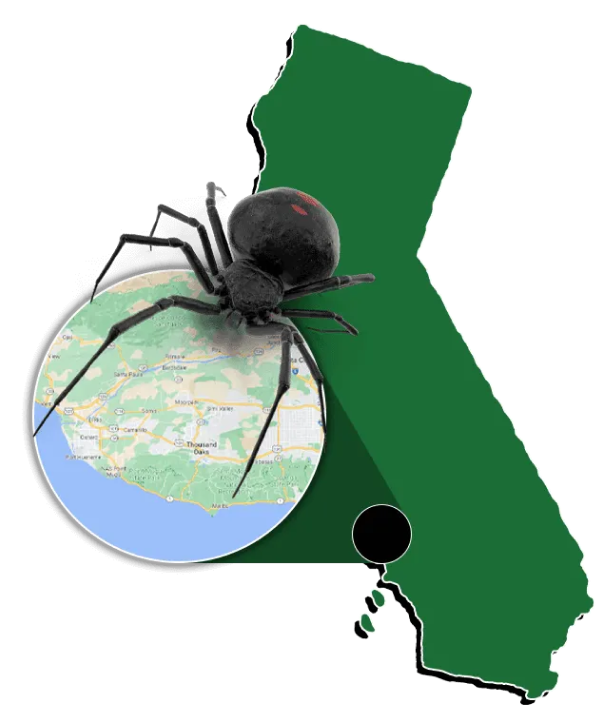



You step into the shower only to realize eight eyes are glaring down at you. During your late-night visit to the bathroom, you see a cockroach scurrying across your bathmat and jump out of your skin. Unfortunately, these experiences can be common in many California homes because your bathroom offers a perfect environment for these pests to call home. But what are these common bathroom bugs? How can you get rid of bathroom bugs or, better yet, prevent them from entering your bathroom in the first place?
Key takeaways
- Bugs in the bathroom are common due to the warm, humid, and damp environment, as well as the availability of food sources.
- Common bathroom bugs include drain flies, silverfish, cockroaches, ants, mosquitoes, house centipedes, and spiders.
- To get rid of bathroom bugs, clean your bathroom thoroughly, set traps with liquid soap, vinegar, and sugar, and keep your garbage can clean.
- To prevent bugs from entering your bathroom, seal cracks and crevices, keep your bathroom clean and dry, and consider using pest control services.
Why are there bugs in the bathroom?
Unfortunately, your bathroom offers the perfect environment for many bugs, and, despite regular cleaning, a bathroom often puts down the welcome mat for these pests. This is especially when outdoor conditions are dry. Most bugs love warm, humid, and damp conditions, and your bathroom offers it all. These bugs need water to survive, and they breed best in wet conditions. In addition, your bathroom offers an abundance of organic material that serves as a buffet table for these insects.
Common bugs found in the bathroom
Unfortunately, it is not uncommon to find bugs in your bathroom. We mentioned above, the environment is perfect, and the food sources are plentiful. While many different bugs may call your bathroom home, others, however, enter because they are attracted to the residents in your bathroom. Here we take a closer look at some of the common pests found inside the bathroom.
Drain flies
Similar in size to a fruit fly, drain flies are small, fuzzy flies that have wings similar to a moth. They are often referred to as moth flies, sewer flies, or filter flies. You will often find these flies around drains in your bathroom, such as the sink or shower. They often enter through the outside sewer line, and they feed on organic matter found within the drains and sewer system. While they are harmless, they can be annoying, especially if a large infestation occurs.
Silverfish
Silverfish insects are very distinct in appearance. They are flat, elongated insects with three tails, two antennas, and a silvery-metallic appearance. They are one of the most common bathroom pests but can also be found in your kitchen or basement. They thrive in moist environments, and their presence can often be a sign of potential water damage in the home. They are, however, nocturnal, so unless you are awake during the night, you may not know they are living in your bathroom as they typically avoid human contact.
Cockroaches
Cockroaches love damp, dark, and warm places, so the bathroom provides a perfect environment. While cockroaches are often found throughout the home looking for food, the bathroom may offer the best overall living environment. In addition to feeding on food throughout the home, cockroaches will also feed on drain sludge, and, in many cases, they will enter the home and bathroom through the drainage system.
Ants
Ants are often a regular problem in Southern California homes. However, it is not uncommon for these ants to seek relief in your bathroom during extensive heat waves. While many think of ants and raiding the picnic for food, how dry temperatures lead ants to seek the moisture they desperately need for survival. This is where the bathroom comes in. The moisture inside your bathroom offers them just what they need, so seeing a trail of ants to your sink or bathtub is not uncommon.
Mosquitoes
Mosquitoes need stagnant water to survive and lay their eggs. During droughts and dry weather in Southern California, it is not uncommon to find these pests circling the drain in your bathroom, looking for water and for a place to lay their eggs.
House centipedes
House centipedes are long-bodied insects with lots of legs and large antennae. They can enter your home through small cracks and crevices and can be found anywhere. However, if other pests are residing in your home, it is common for centipedes to follow as their diet consists of many of these small insects.
Spiders
Spiders can often be found throughout your home, often in windows, corners, and doorways. However, similar to centipedes, spiders move into your bathroom when other insects become plentiful. It may not be uncommon to find spiderwebs throughout the corners of your bathroom when other insects are present.
How to get rid of bathroom bugs
While choosing residential pest control is often the best way to address bathroom pest infestations, there are some things you can do to try and get rid of these pests.
- Clean your bathroom: While general cleaning of your bathroom is always recommended to remove germs, thorough cleaning of all surfaces, as well as your pipes and sinks is essential. Thoroughly cleaning the sink pipes with a brush, removing and cleaning the P-Trap to remove any blockage, and treating the pipes with an enzymatic cleanser to kill eggs, larvae, and bugs within the system can help make a big difference.
- Set a trap: Making up a small bowl of liquid soap, vinegar, and sugar attracts many of these different pests and helps to eliminate them. Leave this mixture in your bathroom for at least a week with the hopes of trapping and removing most pests.
- Keep the garbage can clean: A bathroom can often be a major source of moisture, bacteria, mold, and food sources for insects. Keep your garbage can disinfected and dry to eliminate any bugs that may find it inviting.
How to prevent bugs from entering your bathroom
After bug removal, there are some things you can do to help ensure your bathroom does not become a future residence for pests again. These tips can include:
- Check the plumbing: Because moisture is a big attraction for pests, checking your bathroom plumbing and drainage system is essential. Have a plumber come out and check for any possible concerns that may lead to increased moisture.
- Keep your bathroom clean: Regular cleaning and moisture removal of your bathroom go a long way in terms of pest control.
- Address all potential entry points: Pests can only become a problem indoors when they can enter. Sealing all cracks and crevices that insects can use as a point of entry is essential. This includes the foundation, windowsills, and plumbing and drains.
- Reduce humidity levels: Because high levels of humidity attract many of these insects, work to reduce the levels of humidity in your bathroom. Air ceiling vents or dehumidifiers can be very effective.
Common bathroom bugs and what they mean
Drain flies usually point to buildup inside the drain or overflow. Fungus gnats often signal damp soil from nearby houseplants or consistently wet areas. Silverfish and springtails are strong indicators of humidity, poor ventilation, or moisture in wall voids. Roaches can be attracted to moisture and food residue, including soap scum and hair buildup. Ants may appear when there is standing water, plumbing leaks, or nearby food sources.
Step 1: Remove moisture (the biggest trigger)
Run the bathroom fan during showers and for at least 20–30 minutes after. Fix dripping faucets, toilet base leaks, and slow drain issues. If humidity stays high, use a small dehumidifier and keep the bathroom door open after showers to help it dry out faster. Wipe down wet surfaces and avoid leaving damp bath mats or towels on the floor.
Step 2: Deep clean the places bugs feed and breed
Scrub drains and overflow openings, including the underside of drain stoppers. Clean the grout lines, baseboards, and corners where moisture sits. Remove hair and soap scum from tubs and sinks. Empty the trash often and rinse recyclables. If you store items under the sink, wipe the cabinet floor and check for dampness or mold.
Step 3: Treat the drains properly
For drain flies, clean the drain walls with a stiff brush and a drain-safe cleaner designed to break down organic film. Treat both the sink drain and the overflow area. Repeat treatments for several days to fully remove buildup. If bugs persist, check rarely used drains, floor drains, and the shower drain, because breeding often continues in hidden areas.
Step 4: Seal entry points and remove hiding spots
Caulk gaps around pipes under the sink, seal cracks along baseboards, and repair damaged grout or loose caulking around tubs and shower edges. Reduce clutter on counters and floors so pests have fewer hiding places. Store toiletries in closed bins and keep cardboard packaging out of damp cabinets.
Step 5: Use targeted traps and products (without overdoing it)
Sticky traps behind the toilet and under the sink help confirm the pest type and monitor activity. Use roach gel bait if roaches are the issue and place it in hidden, dry corners rather than open surfaces. Avoid heavy spraying in small bathrooms, especially around drains and ventilation, because it rarely fixes the underlying moisture problem and can create unnecessary exposure.
When to call a professional
If you keep seeing bugs after cleaning, drying, and sealing, there may be a hidden leak, moisture inside walls, or a larger infestation connected to other areas of the home. Professional pest control can identify the pest source, locate moisture conditions, and apply targeted treatment that addresses the cause instead of only the symptoms.
FAQ
Why do bugs keep coming back in my bathroom?
Moisture is usually still present—often from vents, drains, or small leaks you can’t see.
Do drain flies go away on their own?
Not usually. They keep breeding until the organic buildup in the drain is removed.
What’s the most effective first step?
Dry the bathroom out and clean the drains thoroughly—then seal gaps and monitor.
Sharing the bathroom with bugs doesn’t have to happen
Finding a bathroom full of bugs may be expected in an outdoor bathroom, but no one wants to find them in their home. While there are some things you can do to help rid your bathroom of these pests or prevent their entry, to begin with, a pest infestation often requires professional pest management.
At Insight Pest Management, our team is experienced with Southern California’s pests and is committed to helping you and your family live pest-free. To learn more about how we can help, schedule your free evaluation today.