



Once termite fumigation is complete, most homeowners are ready to get back inside, put the house back in order, and move on. But before you walk through the door, it helps to understand what happens between the end of treatment and the moment your home is cleared for re-entry.
Insight Pest Management helps homeowners throughout Ventura County understand the entire termite treatment process, including what to expect after fumigation. Led by Associate Certified Entomologist Israel Alvarez, Insight Pest Management emphasizes clear communication, science-based pest control, and prevention-focused guidance so homeowners know how to protect their property after treatment.
After whole-structure fumigation, the home must be properly aerated, tested, and cleared before anyone returns. Once you are allowed back inside, cleanup is usually more straightforward than many homeowners expect. The next step is developing a plan to watch for future termite activity, because fumigation eliminates an existing infestation but does not make a home permanently termite-proof.
Here is what homeowners should know after termite fumigation.
What Happens Immediately After Termite Fumigation?
When the treatment period ends, the fumigation process is not finished.
The home must first go through an aeration period.
During this stage, the specialized fumigation tarps are opened or removed according to professional procedures, allowing the fumigant to dissipate from the structure.
No one should enter the property simply because the tent is being removed.
The home still needs to go through required ventilation and testing before it can be occupied again.
The professionals performing the fumigation are responsible for determining when the structure meets re-entry requirements.
When Can You Re-Enter Your Home After Fumigation?
You can return only after the property has been officially cleared for re-entry.
Do not rely on appearance alone.
A house may look completely normal from the outside after the tarps have been removed, but that does not mean you should immediately enter.
Professional testing is part of determining when a structure is ready for occupancy.
Until you receive confirmation that re-entry is permitted:
- Do not enter the home
- Do not send someone inside to retrieve belongings
- Do not allow pets inside
- Do not allow children inside
- Do not ask contractors or household workers to enter
Waiting for professional clearance is an essential part of the process.
Why Does the Home Need to Be Aerated?
Structural fumigation works because a gaseous fumigant can travel throughout the enclosed building.
That same characteristic means the structure needs time to ventilate after treatment.
Aeration allows the fumigant to dissipate from the home.
The fumigation professionals follow specific procedures before testing the property and determining whether re-entry is appropriate.
Homeowners should not attempt to speed up this process on their own.
The amount of time required can depend on the treatment plan, property, and conditions involved.
Your fumigation provider should give you specific instructions about when you can return.
What Should You Do When You First Return Home?
Once the structure has been professionally cleared, you can return to the home.
Before immediately unpacking everything, take a few minutes to walk through the property and get reorganized.
You may want to:
- Bring pets back inside only after clearance
- Return indoor plants if they were removed
- Put food and medications back where they belong
- Restore items that were moved for preparation
- Reposition outdoor furniture
- Check doors, cabinets, and storage areas that were opened before treatment
- Review any post-treatment instructions you received
There is usually no need to treat the home as though it remains hazardous after it has been properly cleared for re-entry.
However, homeowners should always follow the instructions provided by the licensed professionals who performed the fumigation.
Do You Need to Clean Everything After Fumigation?
This is one of the most common questions homeowners ask.
In many cases, whole-structure fumigation does not require homeowners to scrub every wall, floor, piece of furniture, or household surface after returning.
However, exact cleanup instructions depend on the fumigation process and products used.
That is why you should follow the post-treatment directions provided by the company responsible for the fumigation.
If you are unsure whether a particular item needs cleaning, ask.
Avoid creating unnecessary work for yourself based on assumptions or generic advice you may have seen online.
Should You Wash Dishes After Fumigation?
Your fumigation provider should give you specific guidance about dishes, cookware, utensils, and food preparation surfaces.
Many homeowners assume every item in every cabinet must be washed after treatment.
That may not always be necessary.
The appropriate steps depend on how the home was prepared and the procedures used during fumigation.
Rather than automatically washing every household item, review the instructions provided by your treatment team.
If something was not addressed in those instructions, contact the provider and ask before using it.
What About Food and Medications?
Food, medications, and other consumable items should have been handled according to the preparation instructions before fumigation began.
Once you return, carefully unpack and restore the items that were removed or prepared.
If you discover a food or medication item that was accidentally left behind and you are unsure whether it was properly protected, do not simply assume it is safe to use.
Contact the fumigation professional for specific guidance.
Preparation mistakes are easier to handle when you ask questions rather than guessing.
Will You Find Dead Termites After Fumigation?
You may occasionally notice dead insects after pest treatment, although termites can be different from more visible household pests because they live primarily inside wood.
Drywood termites can occupy:
- Wall framing
- Roof framing
- Attic wood
- Window frames
- Door frames
- Eaves
- Fascia
- Furniture
- Other wooden components
Because much of the colony lives inside these materials, you may not see large numbers of dead termites after fumigation.
The absence of visible insects does not mean the treatment failed.
Likewise, seeing a dead insect after returning home does not necessarily mean there is still active termite activity.
If you are concerned about something you observe after treatment, contact your pest professional for clarification.
What Happens to Termite Frass After Fumigation?
Drywood termite frass can remain behind after treatment.
Frass is the small pellet-like waste drywood termites push out of their galleries.
If frass was present before fumigation, some of it may still remain in or around the areas where termites were previously active.
This can sometimes confuse homeowners.
For example, you may find old frass in a windowsill or below a piece of trim after the home has been treated.
That does not automatically mean termites are still active.
Cleaning known frass locations after treatment can make future monitoring easier.
If fresh material begins appearing repeatedly afterward, contact a pest professional so the area can be evaluated.
Should You Clean Up Old Termite Evidence?
Yes, removing old visible evidence can make monitoring easier.
After fumigation and re-entry, consider cleaning accessible areas where you previously found:
- Frass
- Discarded wings
- Dead insects
- Small piles of debris associated with termite activity
The purpose is not simply appearance.
Starting with a clean area gives you a clearer baseline.
If new termite evidence appears later, it is easier to recognize that something has changed.
Take photographs of suspicious areas before cleaning them if you want a record for future comparison.
Does Fumigation Repair Termite Damage?
No.
Fumigation is intended to eliminate the targeted termite infestation. It does not restore wood that has already been damaged.
If termites have damaged structural or decorative wood, those materials may still need repair or replacement.
Depending on the location and severity of the damage, homeowners may need to consult an appropriate contractor or other qualified professional.
Examples of areas that may need attention include:
- Damaged fascia boards
- Window trim
- Door frames
- Roof framing
- Wooden siding
- Structural lumber
- Decorative wooden features
Termite treatment and termite damage repair are separate parts of restoring a property.
Will Fumigation Keep Termites Away Forever?
No.
Fumigation can eliminate termites present in the treated structure, but it does not create permanent protection against future infestations.
Drywood termite swarmers can potentially reach the home again.
That means a property that has been successfully fumigated can still experience a new termite infestation at some point in the future.
Homeowners should think of fumigation as treatment for a current problem rather than permanent immunity.
This is where monitoring and prevention become important.
What Should You Watch for After Fumigation?
Continue paying attention to the same warning signs that originally led to the inspection.
Watch for:
- New piles of termite frass
- Winged termites indoors
- Discarded termite wings
- New wood damage
- Small openings appearing in wood
- Repeated activity around windows or doors
One isolated piece of old evidence may not indicate a new infestation.
Repeated fresh signs should be evaluated.
When you’re uncertain, take a picture, note the location, and contact a pest professional.
How Can You Help Prevent Future Termite Problems?
No prevention strategy can guarantee termites will never return, but proactive maintenance can make it easier to identify problems early.
Homeowners can take several practical steps.
Schedule Periodic Termite Inspections
Regular inspections help identify activity that may not yet be visible inside living areas.
This is especially helpful because drywood termites can remain hidden within wood.
Maintain Exterior Wood
Repair or replace deteriorated wood around the property.
Pay attention to:
- Fascia
- Trim
- Eaves
- Doors
- Windows
- Other exposed wooden components
Monitor Known Problem Areas
If termites were previously found around a particular window, attic section, or structural area, continue checking that location periodically.
Pay Attention During Swarming Activity
Winged termites are reproductive members of a colony.
If you begin seeing swarmers indoors or finding piles of discarded wings, schedule an inspection.
Keep Up With Property Maintenance
General home maintenance can make it easier to spot pest activity before it becomes widespread.
Why Are Follow-Up Inspections Important?
A follow-up inspection gives pest professionals an opportunity to evaluate the property after treatment and investigate any new concerns.
Homeowners should not ignore suspicious signs simply because the property has already been fumigated.
A new colony can potentially become established later.
The earlier new activity is identified, the more options homeowners may have for addressing it.
That can sometimes mean a localized issue is detected before it develops into a more widespread infestation.
What If You See Termites Again After Fumigation?
Seeing something that looks like termite activity after fumigation does not automatically tell you what is happening.
The evidence could represent:
- Old termite debris
- Previously existing frass
- Dead insects
- A different pest
- New termite activity
The best response is to document what you find.
Take photos if possible and note exactly where the evidence appeared.
Then contact a pest professional.
An inspection can determine whether the material is old or whether there are signs of current activity.
Why Does Local Termite Knowledge Matter in Ventura County?
Southern California homes face pest pressures that can differ from those in other regions.
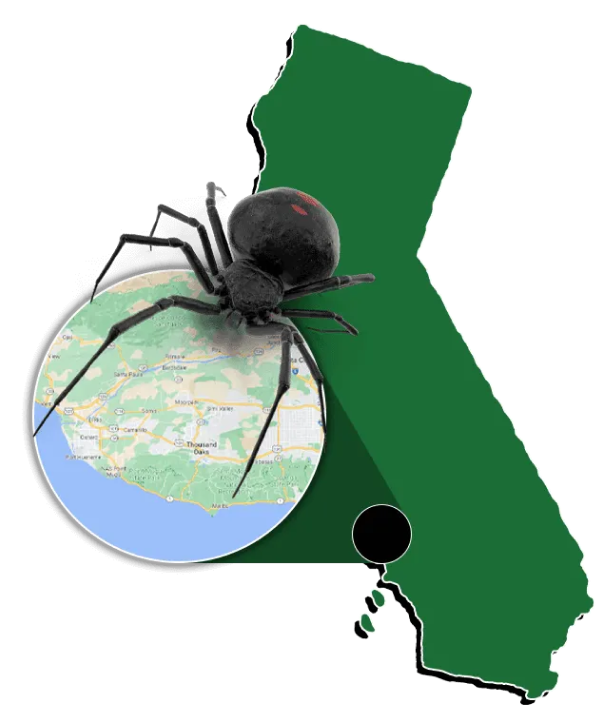
Communities such as Newbury Park, Thousand Oaks, Camarillo, Simi Valley, Moorpark, and Oxnard contain a wide variety of home styles, landscaping conditions, and wooden structural components.
Understanding local pest behavior helps professionals know where to look and what signs may indicate a developing infestation.
Insight Pest Management combines that local knowledge with an educational approach to pest management.
Rather than treating fumigation as the final step and forgetting about termites entirely, the focus is on helping homeowners understand what to watch for in the future.
Why Work With an Entomologist-Led Pest Management Company?
Effective pest management begins with understanding the pest.
Insight Pest Management is owned and operated by Israel Alvarez, an Associate Certified Entomologist with nearly 20 years of professional pest management experience.
Israel has held his Associate Certified Entomologist credential since 2013 and a California Pest Control Operators License since 2014. He also serves as Vice Chair of the Pest Control Operators of California–Ventura District.
That expertise supports a science-based approach to termite inspections, treatment recommendations, and prevention.
For homeowners, it means the conversation does not end with, “Your house has been treated.”
The Insight team can also help explain why termites were a concern, what signs to monitor, and when another professional inspection may be appropriate.
What Should Your Post-Fumigation Checklist Include?
After your home has been cleared for re-entry, a simple checklist can help you get settled and stay organized.
Consider the following:
- Confirm the home has officially been cleared
- Bring family members and pets back only after clearance
- Follow all post-treatment instructions
- Return removed food and medications
- Restore indoor plants
- Reposition furniture or outdoor items if necessary
- Clean old termite frass from accessible areas
- Photograph previously affected locations
- Note areas where repairs may be needed
- Continue monitoring for new termite evidence
- Plan future professional inspections
Taking a few organized steps after treatment can make long-term termite monitoring much easier.
Protecting Your Home After Termite Fumigation
Fumigation may solve an existing drywood termite infestation, but protecting your home does not stop when the tent comes down.
Professional clearance ensures you can safely re-enter. Cleaning old termite evidence creates a fresh baseline for monitoring. Repairing damaged areas helps restore the property, while future inspections can identify new activity before it spreads.
Insight Pest Management helps Ventura County homeowners take a prevention-first approach to pest management.
Led by Associate Certified Entomologist Israel Alvarez, the Insight team combines nearly two decades of field experience with science-based inspections and practical homeowner education.
If you notice termite frass, swarmers, suspicious wood damage, or other signs after treatment, schedule an inspection with Insight Pest Management. A professional evaluation can help determine what you are seeing and what steps, if any, should come next.