

'/%3E%3Cpath%20fill='%23b2b2b2'%20d='M241%20382q0%2016%2017%2026%2017%2011%2042%2011t42-11q16-11%2017-26V269H241'/%3E%3Cpath%20fill='%239f7e00'%20d='M241%20379q0%2014%208%2023%209%209%2021%209%2014%200%2021-9%209-9%209-23V269h-59'/%3E%3Cpath%20d='M241%20339v-70h59v110q0%2014-9%2023l-6%205v-68h-15v72q-8%200-14-4v-68zm59%2040c0%2022%2015%2032%2029%2032%2021%200%2030-18%2030-32v-40h-59'/%3E%3Cpath%20fill='%239f7e00'%20d='M266%20277v5h2v12h-3v-5h2v-5h-9v5h2v5h-4v9h3v18h-5v10h34v-10h-5v-18h3v-9h-4v-5h2v-5h-9v5h2v5h-3v-12h2v-5zm42%20101q0%2010%206%2017%206%206%2015%207%2010-1%2016-7%206-7%206-17v-29h-43'/%3E%3Ccircle%20fill='%230044ad'%20cx='329.5'%20cy='372'%20r='6'/%3E%3Cellipse%20fill='%230044ad'%20cx='300'%20cy='340'%20rx='16'%20ry='21'/%3E%3C/svg%3E)
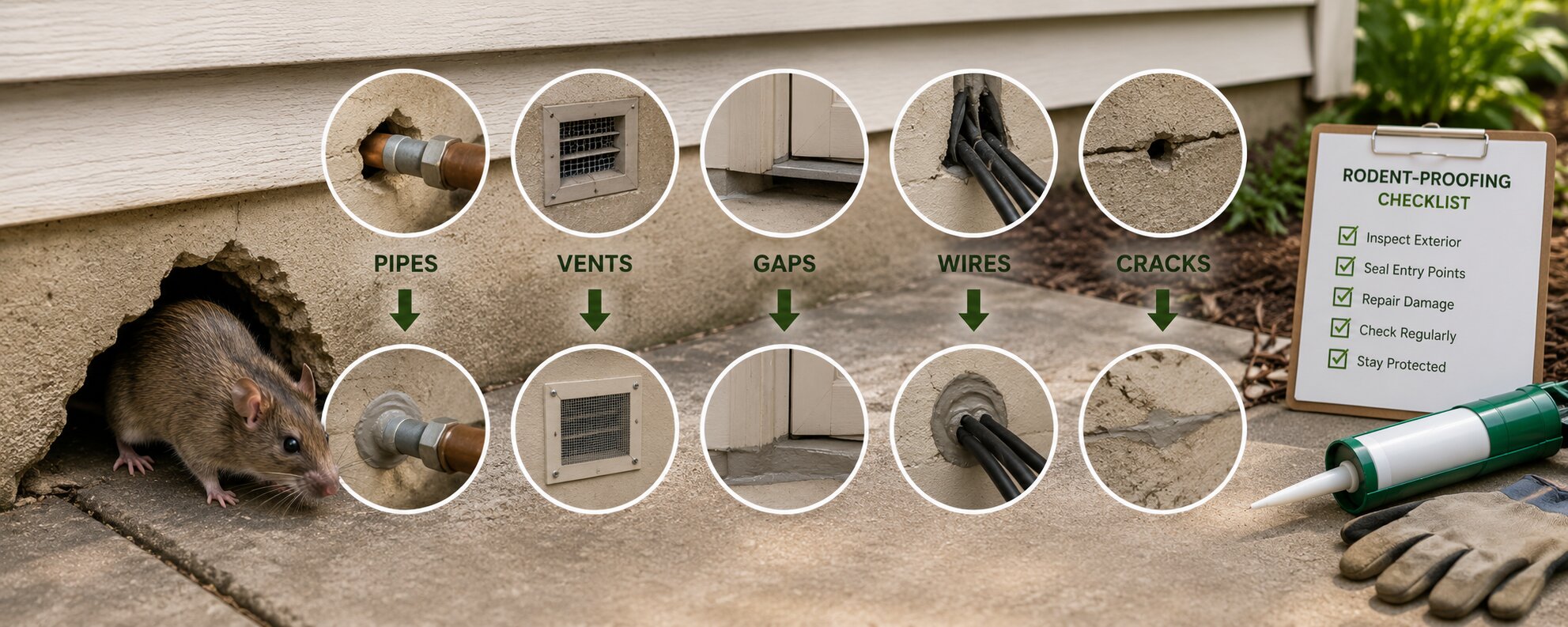

Rodents do not need a large opening to enter a home or business. A mouse can squeeze through a gap that looks far too small to be a serious concern, while rats can climb trees, utility lines, fences, and exterior walls to reach roofs, vents, and attic openings.
Once rodents get inside, they may contaminate stored food, damage insulation, chew wiring, and build nests in hidden areas. Trapping the rodents already inside is important, but it does not solve the entire problem. Unless the entry points are found and sealed, new rodents may continue entering the property.
Insight Pest Management provides science-based rodent exclusion and removal services throughout Ventura County. Led by Associate Certified Entomologist Israel Alvarez, the Insight team combines detailed inspections, targeted removal, structural exclusion, sanitation recommendations, and follow-up monitoring to help protect homes and businesses.
For property owners in Newbury Park, Thousand Oaks, Camarillo, Simi Valley, Moorpark, Oxnard, and nearby communities, rodent-proofing is one of the most effective ways to prevent the next infestation before it begins.
Why Do Rodents Enter Homes and Businesses?
Rodents enter buildings because they are looking for food, water, shelter, or a safe place to nest.
Southern California’s mild climate allows rats and mice to remain active throughout the year. Outdoor conditions can still influence their behavior, however. Heat, dry weather, rain, construction, landscaping changes, and nearby food sources may push rodents toward residential and commercial structures.
A property may become especially attractive when it provides:
- Pet food left outdoors
- Birdseed beneath feeders
- Fallen fruit or nuts
- Open trash containers
- Compost piles
- Leaking irrigation
- Standing water
- Dense vegetation
- Firewood stacks
- Cluttered garages
- Warm attics or crawl spaces
- Easy access through structural gaps
Rodents are resourceful. If they discover a dependable food source and a protected nesting area, they may return repeatedly or establish a breeding population.
How Small of an Opening Can a Rodent Use?
One of the biggest challenges in rodent prevention is that entry points are often much smaller than homeowners expect.
Mice can fit through openings approximately the width of a pencil. Rats need slightly more space, but they can still enter through gaps that may look insignificant during a quick walk around the property.
Common entry points include:
- Gaps beneath garage doors
- Openings around plumbing lines
- Damaged attic vents
- Loose roof tiles
- Unsealed utility penetrations
- Gaps beneath exterior doors
- Broken crawl-space screens
- Cracks in foundations
- Openings near air-conditioning lines
- Roofline gaps
- Damaged soffits
- Spaces around exterior wiring
Rodents may also enlarge small openings by gnawing around them. Materials such as plastic, wood, rubber, and foam may not provide a lasting barrier on their own.
What Are the Signs of a Rodent Infestation?
Rodents are often most active at night, so property owners may notice evidence before they see an actual rat or mouse.
Common warning signs include:
- Droppings in cabinets, garages, attics, or storage rooms
- Scratching or scurrying sounds in walls and ceilings
- Gnawed food packaging
- Chewed wiring or insulation
- Grease marks along walls
- Shredded paper or nesting materials
- Unusual pet behavior
- Small holes around walls or cabinets
- Musky odors
- Fruit or pet food disappearing
- Tracks in dusty areas
- Rub marks near entry points
Fresh droppings often look darker and softer than older droppings. Finding droppings in several locations may indicate that rodents are traveling through multiple areas of the building.
A professional inspection can help determine whether the activity is current, what type of rodent is present, and where the animals are entering.
Why Is Sealing Entry Points So Important?
Traps may remove individual rodents, but exclusion prevents new ones from entering.
If a technician removes several mice from a garage but leaves a gap beneath the side door, the property remains vulnerable. The same is true when rats are trapped in an attic but damaged vents or roofline openings are not repaired.
Rodent exclusion focuses on creating a physical barrier between the pest and the building.
A complete approach may include:
- Locating active and potential entry points
- Sealing gaps around utility lines
- Repairing damaged vent screens
- Installing door sweeps
- Closing foundation openings
- Reinforcing garage-door gaps
- Repairing roofline damage
- Blocking access beneath decks or additions
- Trimming vegetation away from the roof
- Monitoring sealed areas for new activity
The objective is not simply to close the most obvious hole. It is to evaluate the entire structure and identify every realistic access point.
How Does a Professional Rodent Inspection Work?
A rodent inspection should include both the interior and exterior of the property.
Owner and operator Israel Alvarez brings nearly 20 years of professional pest management experience to each inspection and treatment plan. His background as an Associate Certified Entomologist helps the Insight team evaluate rodent behavior, nesting habits, travel patterns, and environmental conditions.
The exterior inspection may include:
- Foundations
- Rooflines
- Eaves and soffits
- Attic vents
- Crawl-space openings
- Exterior doors
- Garage doors
- Utility penetrations
- Landscaping
- Fences and tree branches
- Trash and compost areas
- Outdoor storage
The interior inspection may focus on:
- Attics
- Garages
- Kitchens
- Pantries
- Crawl spaces
- Laundry rooms
- Utility areas
- Storage rooms
- Cabinets
- Drop ceilings
Technicians may look for droppings, nesting material, rub marks, gnawing, footprints, urine staining, and other evidence that reveals how rodents move through the building.
What Materials Are Used for Rodent Exclusion?
The best exclusion material depends on the size, location, and type of opening.
Rodents can chew through many common building materials, so repairs must be durable. Simply filling an opening with expanding foam may not be enough. Foam can help close airflow gaps, but rodents may chew through it if it is not reinforced with a more resistant material.
Professional exclusion may involve:
- Metal mesh
- Hardware cloth
- Sheet metal
- Concrete patching materials
- Mortar
- Rodent-resistant sealants
- Vent covers
- Door sweeps
- Weatherstripping
- Roof repair materials
The repair should also match the building area. A gap around a plumbing pipe may require a different solution than a damaged attic vent or a space beneath a garage door.
Where Should Homeowners Look for Entry Points?
A careful exterior inspection can reveal many common access points.
Homeowners should walk slowly around the property and inspect from the foundation to the roofline. Pay attention to dark staining, gnaw marks, droppings, disturbed insulation, or gaps that appear to lead into the structure.
Important areas to check include:
Garage Doors
Garage doors often leave small gaps along the sides or bottom. Worn seals can provide easy access, especially when pet food, birdseed, or stored goods are kept inside.
Exterior Doors
A visible strip of light beneath a door may indicate enough space for a mouse to enter. Damaged thresholds and door sweeps should be repaired.
Plumbing and Utility Lines
Pipes, cables, and air-conditioning lines often pass through exterior walls. The surrounding openings may not be fully sealed.
Roof Vents and Eaves
Roof rats are skilled climbers. Damaged screens, loose vents, and roofline gaps can give them direct access to attics.
Crawl Spaces
Broken screens or open access panels can allow rodents to nest beneath the building and enter through plumbing or flooring gaps.
Foundations
Cracks, construction joints, and openings near additions should be inspected closely.
How Does Landscaping Affect Rodent Access?
Landscaping can either discourage rodents or help them reach the building.
Tree branches touching a roof may act as bridges for roof rats. Dense shrubs against exterior walls can conceal burrows and entry points. Ivy and vines may provide climbing routes and protected nesting areas.
Rodent-resistant landscaping habits include:
- Trimming tree branches away from the roof
- Keeping shrubs away from exterior walls
- Thinning dense ground cover
- Removing fallen fruit
- Cleaning beneath bird feeders
- Keeping grass and weeds maintained
- Moving firewood away from the structure
- Removing debris and unused materials
- Securing compost containers
- Repairing irrigation leaks
Creating a visible space around the foundation makes it easier to notice droppings, holes, tracks, and new damage.
Can Food Sources Cause Rodents to Return?
Rodent exclusion is more effective when food sources are also removed.
A property may be structurally secure, but open food can encourage rodents to search aggressively for another way inside. Garages, patios, storage sheds, and outdoor kitchens are frequent problem areas.
Helpful food-storage practices include:
- Store pet food in sealed containers
- Bring pet bowls inside overnight
- Keep birdseed in rodent-resistant containers
- Clean beneath feeders
- Pick up fallen fruit
- Secure trash lids
- Clean grills after use
- Avoid leaving food in cardboard boxes
- Store pantry goods in sturdy containers
- Clean crumbs and grease from hidden areas
Commercial properties should pay particular attention to loading docks, dumpsters, food-storage areas, break rooms, and exterior waste zones.
Should Entry Points Be Sealed Before Rodents Are Removed?
The timing of exclusion work matters.
Sealing every opening immediately can trap rodents inside walls, attics, crawl spaces, or occupied rooms. Trapped animals may cause odors, damage, or additional attempts to escape into living areas.
A professional rodent plan typically considers:
- Whether rodents are currently inside
- Where they are nesting
- Which openings are active
- Whether one-way devices are appropriate
- Where traps should be placed
- When permanent repairs should be completed
Some openings may be sealed right away, while an active exit point may need to remain temporarily available under controlled conditions. This is one reason professional inspection and planning are valuable.
Why Is DIY Rodent-Proofing Sometimes Unsuccessful?
Homeowners may successfully seal obvious gaps, but rodent problems often continue because one or more access points were missed.
Common DIY mistakes include:
- Sealing only ground-level openings
- Ignoring the roofline
- Using materials rodents can chew
- Trapping rodents inside
- Failing to remove food sources
- Placing traps in ineffective locations
- Not cleaning contaminated areas
- Overlooking neighboring structures
- Assuming one captured rodent was the only one present
Rodents may use multiple routes. A mouse seen in the kitchen could be entering through the garage, traveling through a wall, and emerging beneath a cabinet.
A complete inspection looks at the building as a connected system rather than treating each room as a separate problem.
How Can Attics Be Protected From Roof Rats?
Roof rats are common climbers and may use trees, fences, vines, utility lines, and roof features to reach upper-level openings.
Attic prevention may include:
- Screening roof vents
- Repairing damaged soffits
- Sealing roofline gaps
- Trimming overhanging branches
- Removing vines from walls
- Inspecting attic access points
- Checking around chimneys
- Repairing loose roofing materials
- Monitoring for droppings and gnawing
Attics offer warmth, insulation, and limited human activity, making them attractive nesting locations. Regular inspections can help identify rodent activity before extensive contamination or damage occurs.
What Should You Do With Rodent Droppings?
Rodent droppings and nesting materials should be handled carefully.
Avoid sweeping or vacuuming dry droppings, as this can disturb contaminated dust. The area may need to be ventilated, treated with an appropriate disinfecting solution, and cleaned using protective gloves and other recommended precautions.
Large infestations, attic contamination, or widespread nesting may require professional cleanup.
Contaminated food packaging should be discarded. Shelving and nearby surfaces should be cleaned before new food is stored.
Removing droppings also makes monitoring easier. If new droppings appear after cleaning, the activity may still be ongoing.
How Often Should a Property Be Checked for Rodent Entry Points?
Rodent-proofing is not always a one-time project.
Buildings change over time. Weather can damage seals, rodents may gnaw at weak areas, tree branches grow back, and repairs may create new gaps. Renovations, plumbing work, roofing projects, or equipment installations can also leave openings.
Property owners should inspect vulnerable areas:
- At the beginning of cooler or rainy weather
- After roof or utility work
- After landscaping changes
- When new scratching sounds are heard
- When droppings appear
- After nearby construction
- When garage-door seals become worn
- During routine pest control visits
Ongoing monitoring helps catch new vulnerabilities before rodents move inside.
Protect Your Property Before the Next Rodent Infestation
Rodent control should not end when the last rat or mouse is removed. Without exclusion, another rodent may follow the same scent trails and enter through the same opening.
Insight Pest Management uses detailed inspections, targeted removal, durable exclusion, and prevention recommendations to address the entire rodent problem. Founded and operated by Israel Alvarez, the company brings nearly two decades of local pest management experience to homes and businesses throughout Ventura County.
Israel has been an Associate Certified Entomologist since 2013, holds a California Pest Control Operators License, and serves as Vice Chair of the Pest Control Operators of California–Ventura District. His science-based approach helps property owners understand not only where rodents are entering, but also why the property is attracting them.
Do not wait for scratching sounds, contaminated food, or damaged wiring to reveal the next infestation. Schedule your inspection with certified entomologist Israel Alvarez and the Insight team. Insight Pest Management can identify vulnerable entry points and create a rodent-proofing plan designed to provide lasting protection for your Ventura County property.