


Insight Pest Management is proud to serve Newbury Park, Thousand Oaks, Camarillo, and surrounding Ventura County communities with effective, science-based pest control solutions. For many homeowners, rodent poison may seem like a quick fix. But in Southern California, poisoned rodents can create danger far beyond the attic, garage, or yard.
When rats and mice eat poison, they may not die right away. They can wander outside, become weak, and get eaten by predators. That can expose owls, hawks, bobcats, coyotes, and mountain lions to toxic compounds.
What Happens When a Rodent Eats Poison?
Rodenticides are designed to kill rodents, but they do not always kill them immediately. A poisoned rat may leave a home, crawl into landscaping, move along a fence line, or stagger into open space.
That is when wildlife may become exposed.
A hawk may catch a weakened rat. An owl may feed a poisoned mouse to its young. A mountain lion or bobcat may consume prey that has already ingested poison. This is called secondary poisoning, and it is one of the reasons many homeowners now look for poison-free rodent control options.
In Ventura County, where neighborhoods often sit near canyons, hillsides, parks, and open space, this issue matters. Local wildlife and residential pest problems often overlap.
Why Are Owls and Hawks at Risk?
Owls and hawks are natural rodent hunters. That makes them helpful neighbors, especially in areas where rats and mice are active year-round.
But when the rodents they eat are poisoned, these birds can also be harmed.
Risks may include:
- Secondary Poisoning: Birds of prey may eat rodents that have consumed toxic bait.
- Reduced Hunting Ability: Poison exposure can make wildlife weaker or less coordinated.
- Nestling Exposure: Adult birds may bring contaminated prey back to young birds.
- Population Pressure: Repeated exposure can affect local predator populations over time.
A healthy owl or hawk population can help keep rodent pressure balanced. Poison-based control can disrupt that natural system.
How Can Poisoned Rodents Affect Mountain Lions and Other Predators?
Southern California’s wildlife does not stop at small birds. Mountain lions, bobcats, foxes, coyotes, and other predators may also eat animals that have consumed rodenticide.
This is especially concerning near communities that border open space, including parts of Thousand Oaks, Newbury Park, Simi Valley, and surrounding areas. Rodents move between residential yards and natural habitats. Predators follow food sources.
When poison enters that food chain, the effects can spread.
Common concerns include:
- Bioaccumulation: Repeated exposure may allow toxins to build up in predators.
- Immune Stress: Wildlife may become more vulnerable to disease or injury.
- Unintended Harm: A treatment meant for rats can affect animals that help control rats naturally.
This is why poison-free rodent control is not just a household safety choice. It can also be a wildlife protection choice.
Why Do Homeowners Still Use Rodent Poison?
Many people use poison because they feel overwhelmed. They hear noises in the attic, find droppings in the garage, or discover chewed wiring. They want the problem gone quickly.
That reaction is understandable. No one wants rodents in their home.
The problem is that poison does not fix the larger issue. It does not seal entry points. It does not remove attractants. It does not tell you how rodents got inside. It may also leave a dead rodent inside a wall, attic, or crawl space, creating odor and sanitation concerns.
Poison can feel simple, but the long-term cost may be higher for your home, pets, and local wildlife.
What Is a Safer Rodent Control Strategy?
A safer approach starts with understanding why rodents are active on the property. Led by Associate Certified Entomologist Israel Alvarez, Insight Pest Management provides science-based pest solutions tailored to California homes. The company’s poison-free rodent control page emphasizes reducing rodent populations responsibly without putting households or local wildlife at risk.
A prevention-first rodent plan may include:
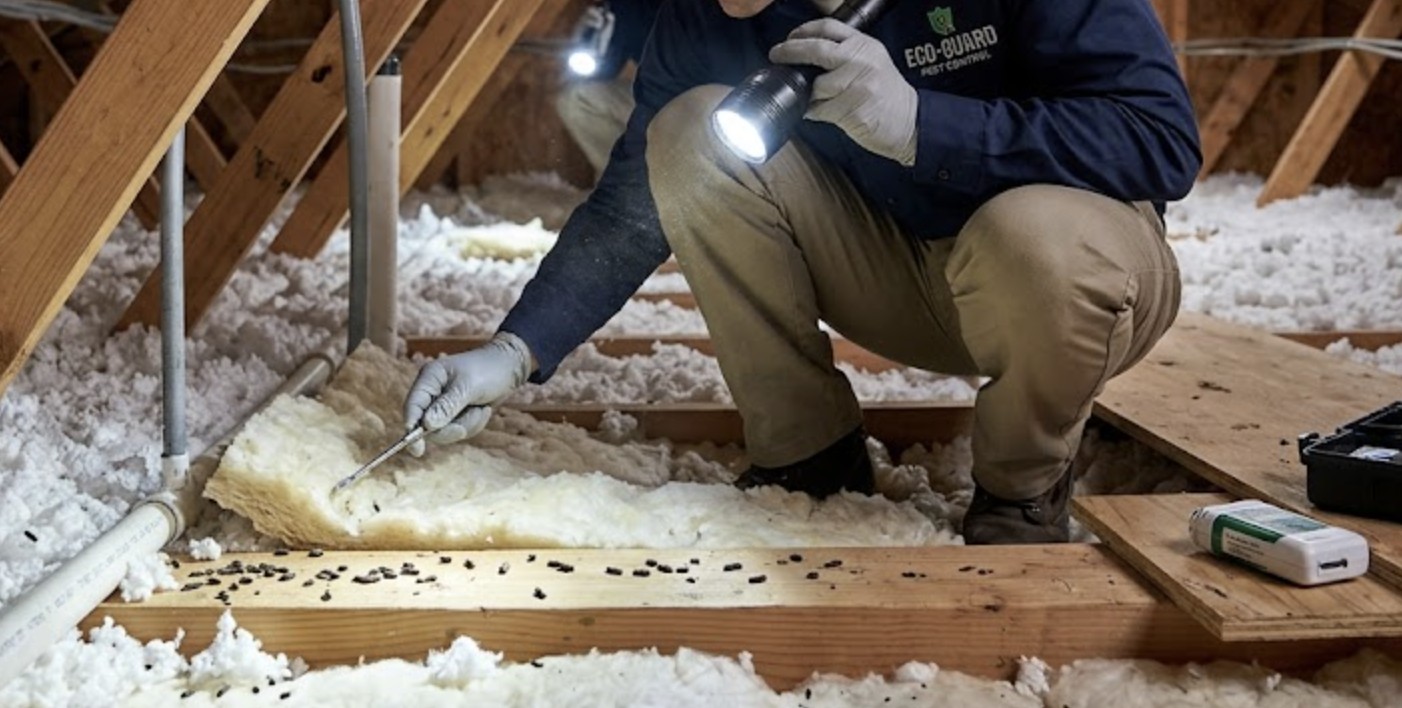
- Inspection: Identify droppings, nesting sites, rub marks, sounds, and entry points.
- Exclusion: Seal openings that allow rodents to enter the home.
- Sanitation Guidance: Reduce food and water sources around the property.
- Targeted Removal: Use responsible methods based on the property and activity level.
- Monitoring: Watch for signs of recurring activity and adjust the plan as needed.
This strategy focuses on solving the root cause, not just removing one rodent.
How Does Local Expertise Help?
Ventura County homes face unique rodent pressure. Mild weather, irrigated yards, citrus trees, storage areas, and hillside access can support rodent activity across much of the year.
Owner and operator Israel Alvarez brings nearly 20 years of professional pest management experience to every inspection. His background as an Associate Certified Entomologist helps the Insight team identify pest behavior, entry patterns, and safer treatment options with care.
That science-based approach is especially important when wildlife protection matters. A good plan should consider the home, the surrounding environment, and the long-term prevention strategy.
What Can Homeowners Do to Help Protect Wildlife?
Homeowners can reduce rodent activity without relying on poison as the first step.
A few prevention tips include:
- Secure Trash: Use tight-fitting lids and avoid overflowing bins.
- Store Pet Food Indoors: Do not leave bowls or bags outside overnight.
- Pick Up Fallen Fruit: Fruit trees can attract rats and mice.
- Trim Vegetation: Keep branches and vines away from the roofline.
- Seal Gaps: Close openings around vents, pipes, garages, and utility lines.
- Schedule an Inspection: A trained pest professional can find problems homeowners often miss.
These steps help protect your home while reducing the chance of wildlife exposure.
Schedule Poison-Free Rodent Control in Ventura County
Poisoned rodents can harm more than the pests you’re trying to remove. They can put pets, owls, hawks, mountain lions, and other wildlife at risk.
Schedule your inspection with certified entomologist Israel Alvarez and the Insight team. Insight Pest Management helps homeowners in Newbury Park, Thousand Oaks, Camarillo, Simi Valley, Moorpark, Oxnard, and nearby Southern California communities choose smarter, safer rodent control.