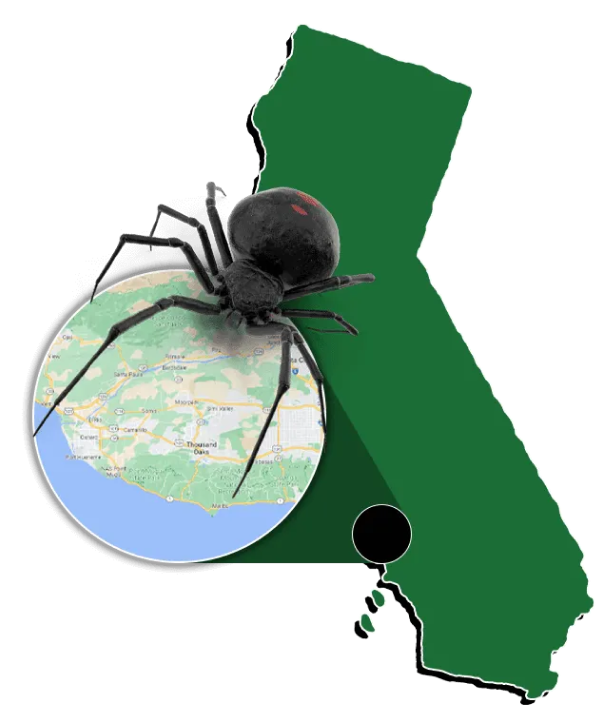




The wood in your home is doing a quiet, essential job every day — holding up walls, supporting floors, framing windows, anchoring the roof. Most homeowners don’t think much about it, which is exactly why wood-infesting pests can cause so much damage before anyone notices. By the time the evidence is visible, the work has often been underway for a long time.
Southern California’s climate creates ideal conditions for several wood-destroying organisms. Warm temperatures, low humidity for much of the year, and an aging housing stock in communities throughout Ventura County add up to a region where wood-infesting pests are not just common — they’re a consistent, year-round concern.
Led by Associate Certified Entomologist Israel Alvarez, Insight Pest Management has inspected and treated wood-destroying pest problems in homes across Thousand Oaks, Camarillo, Newbury Park, Simi Valley, Moorpark, and the surrounding region for nearly two decades. Here’s a thorough look at the pests most likely to be targeting the wood in your home — and what sets each one apart.
Drywood Termites: The Most Common Wood Destroyer in Southern California
Drywood termites are the dominant wood-infesting pest throughout coastal and inland Southern California, and they’re uniquely suited to the region’s dry climate. Unlike their subterranean cousins, drywood termites don’t need soil contact or a moisture source. They extract the water they need directly from the wood they consume, which means any dry, untreated wood in your home is fair game — structural framing, hardwood floors, door frames, window casings, attic rafters, even fine furniture.
A drywood termite colony starts small. A mated pair of swarmers lands on exposed wood, excavates a small chamber, and begins producing workers. The colony grows slowly — it can take several years to reach a size that produces visible damage or swarmers of its own. That slow, silent timeline is what makes drywood termites so damaging: homeowners often don’t know they have a problem until a colony has been established for years.
The signs to watch for include:
- Frass — the hard, sand-like droppings termites push from kick-out holes in the wood. Finding frass beneath a windowsill or along a baseboard is a reliable early indicator.
- Discarded wings near light sources or windowsills, left behind after a swarming event.
- Hollow-sounding wood when tapped — termites consume the interior while leaving the surface largely intact.
- Blistering or bubbling paint on wood surfaces, caused by feeding just beneath the finish.
Treatment options range from targeted spot treatments for localized colonies to full structural fumigation when an infestation has spread throughout the home. Owner and entomologist Israel Alvarez evaluates each situation individually — the right treatment depends on the extent of the infestation, not a one-size-fits-all protocol.
Concerned about drywood termites? Call Insight Pest Management to schedule a thorough inspection with certified entomologist Israel Alvarez.
Subterranean Termites: Underground and Underestimated
Subterranean termites are the most destructive termite species in the United States, and they’re active throughout Southern California — particularly in older neighborhoods, properties with soil-to-wood contact, and homes with moisture issues in the crawl space or foundation area. While drywood termites are more commonly discussed in this region, subterranean termites are capable of causing far more structural damage in a shorter period of time because their colonies can number in the millions.
These termites live in the soil and must maintain contact with it to survive. They travel from the ground to their food source through mud tubes — pencil-width tunnels constructed from soil, saliva, and fecal material — that protect them from open air and maintain the humidity they need. These mud tubes are the most visible sign of subterranean termite activity.
Look for mud tubes in these locations:
- Along the exterior foundation wall, running from the soil up to the wood framing above.
- Inside crawl spaces, running along floor joists, beams, and support posts.
- Around plumbing penetrations where pipes enter through the foundation or slab.
- On interior drywall in severe cases, where the colony has moved well into the structure.
Subterranean termite treatment typically involves soil treatments, bait systems, or a combination of both — approaches that target the colony at its source rather than just the wood above ground. Correct identification matters here: treating a subterranean infestation with methods designed for drywood termites won’t resolve the problem.
Wood-Boring Beetles: Slow, Steady, and Easy to Miss
Wood-boring beetles are less frequently discussed than termites, but they’re a genuine problem in Southern California homes, particularly in older structures, homes with wood furniture or antiques, and properties where lumber with pre-existing beetle activity was used during construction. Several species are relevant to Ventura County homeowners, with the most common being the western drywood beetle, the old house borer, and the powder post beetle.
These beetles spend the majority of their life cycle inside wood as larvae, tunneling through and feeding on the cellulose and starches within. The adults emerge through small, round exit holes, typically between 1/16 and 1/4 inch in diameter depending on the species, leaving behind fine, powdery frass called “frass powder” or simply “borer dust.” That fine powder sifting out of small holes in wood surfaces is often the first sign homeowners notice.
Key indicators of wood-boring beetle activity include:
- Small, round exit holes in wood surfaces — floors, beams, furniture, trim, or structural lumber.
- Fine, flour-like powder accumulating beneath or around wooden items.
- Adult beetles found inside the home, particularly near wooden structural elements or furniture.
- A faint ticking or rasping sound coming from within walls or wooden furniture in quiet conditions — the sound of larvae feeding.
One important distinction: some wood-boring beetles only infest wood with high moisture content or wood that retains a living layer (sapwood). Reducing moisture and ensuring lumber is properly dried can prevent new infestations. Active infestations, however, typically require professional treatment to eliminate larvae already at work inside the wood.
Carpenter Ants: Structural Damage Without the Feeding
Carpenter ants are a source of significant confusion for homeowners. Unlike termites, they don’t eat wood — they excavate it to create smooth, clean galleries for nesting. The damage they cause is purely structural, not nutritional. But in homes with moisture problems, carpenter ant galleries can be extensive, and the presence of an active colony is often a signal that there’s a moisture or decay issue worth addressing.
In Southern California, carpenter ants are most often found in wood that has been softened by moisture — leaky roofs, improperly flashed window frames, plumbing leaks inside walls, or wood in contact with wet soil. They prefer to establish satellite colonies in structures that are close to their primary outdoor nest, which is usually located in a decaying tree stump, a wood pile, or old fencing nearby.
Signs of carpenter ant activity include:
- Coarse, sawdust-like frass mixed with insect parts and debris — distinct from the clean, granular frass of termites.
- Large black ants (3/8 to 1/2 inch) appearing indoors, particularly at night when they’re most active.
- A faint rustling sound inside walls, especially in quiet conditions.
- Damaged wood with smooth, clean galleries that run with the grain — often accompanied by a nearby moisture source.
Effective carpenter ant control means addressing both the colony and the moisture condition that attracted them. Treating only the ants without fixing the underlying moisture problem typically results in re-infestation.
Schedule your inspection with the Insight Pest Management team. Israel Alvarez brings nearly 20 years of experience identifying wood-destroying pests that other inspections miss.
Wood Decay Fungi: Not an Insect, But a Serious Partner in Damage
Strictly speaking, wood decay fungi aren’t pests, they’re organisms. But no discussion of wood-infesting threats in Southern California is complete without them, because wood decay and wood-destroying insects often occur together. Fungi that cause wood rot weaken the structural integrity of lumber, and softened, decaying wood is precisely what carpenter ants and some wood-boring beetle species prefer to target.
There are two primary types relevant to homeowners: brown rot, which breaks down the cellulose in wood and leaves it dark, crumbly, and prone to cubical cracking; and white rot, which degrades both cellulose and lignin, leaving wood pale, soft, and fibrous. Both require sustained moisture to become established, which is why eliminating moisture intrusion is foundational to any wood protection strategy.
Common locations for wood decay in Southern California homes include under-ventilated crawl spaces, areas around roof penetrations with compromised flashing, wood decking in direct ground contact, and the base of exterior door frames where water pools after rain.
How Insight Pest Management Approaches Wood-Infesting Pests
Accurate identification is the foundation of effective treatment. Drywood termites, subterranean termites, wood-boring beetles, and carpenter ants all require different approaches and misidentifying one for another doesn’t just delay resolution, it can allow damage to continue unchecked while the wrong treatment is applied.
As a licensed Associate Certified Entomologist and member of the National Pest Management Association’s Executive Leadership Program, Israel Alvarez brings a level of diagnostic precision to wood-infesting pest inspections that goes well beyond what a standard visual check provides. Every Insight Pest Management inspection includes a systematic review of accessible structural wood, attic spaces, crawl areas, exterior wood members, and the conditions, moisture, soil contact, ventilation, that either protect wood or put it at risk.
Insight Pest Management serves Newbury Park, Thousand Oaks, Camarillo, Simi Valley, Moorpark, Oxnard, and the surrounding Ventura County communities. Whether you’ve noticed frass near a baseboard, mud tubes along your foundation, or small holes in your hardwood floors, the right response is a professional inspection, not a wait-and-see approach.
Frequently Asked Questions About Wood-Infesting Pests
How do I tell termite damage from carpenter ant damage? Termite galleries are rough and contain frass and soil. Carpenter ant galleries are smooth, clean, and free of debris. If the wood has a polished appearance inside the damage, carpenter ants are the more likely culprit.
Can I have more than one type of wood-infesting pest at the same time? Yes. It’s not uncommon for a home to have both drywood termites and wood-boring beetles, or for carpenter ants to be present alongside subterranean termite activity. A thorough professional inspection looks for all of them simultaneously.
Is wood-boring beetle damage as serious as termite damage? It depends on the species and the duration of the infestation. Some beetle species cause primarily cosmetic damage; others, particularly the old house borer, can compromise structural lumber over time. Any active beetle infestation warrants a professional assessment.
Founded and operated by Israel Alvarez, Insight Pest Management has become a trusted name in Southern California pest control — known for thorough inspections, honest recommendations, and treatments that address the actual source of the problem. If you’re concerned about wood-infesting pests in your Ventura County home, don’t wait for the damage to worsen.
Protect your home with Insight’s proven, science-backed pest control plans. Call Insight Pest Management in Ventura County today for expert wood-infesting pest inspection and treatment.